






Tactical Vest Ultimate Guide: Types, Plates, and Top 5 Picks for 2026
Whether you're setting up a plate carrier for range days, building a home defense loadout, or gearing up for competition shooting, choosing the right tactical vest is one of the most consequential decisions you'll make. The wrong choice means discomfort, restricted movement, and gear you can't access when it counts.
This guide breaks down everything you need to know in 2026: the three main types of tactical vests, how the MOLLE system works, current NIJ plate ratings (including the new RF classification), plate materials, sizing, weight considerations, and our top 5 picks by use case. We've updated this article to reflect the latest standards and gear available this year.
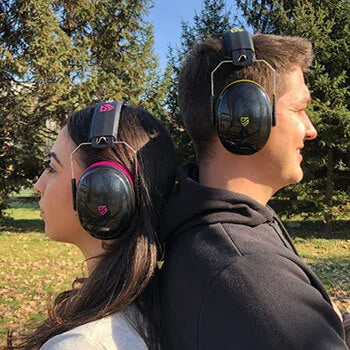
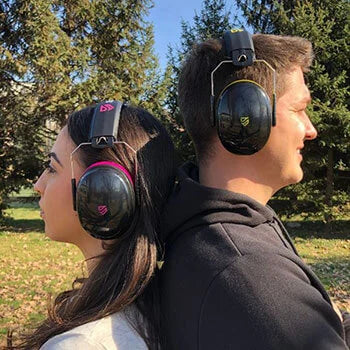
Before we dive into vests and plates, remember that your most critical range safety gear is hearing and eye protection. A single gunshot produces 140 to 175 dB depending on caliber — well above the 85 dB threshold where NIOSH recommends hearing protection. If you haven't locked down your ear and eye protection yet, check out TradeSmart Safety's shooting ear and eye protection kits before investing in anything else.
Types of Tactical Vests: Plate Carriers vs. Chest Rigs vs. Load-Bearing Vests
Not all tactical vests serve the same purpose. Understanding the three main categories will help you choose the right platform for your specific needs.
Plate Carriers
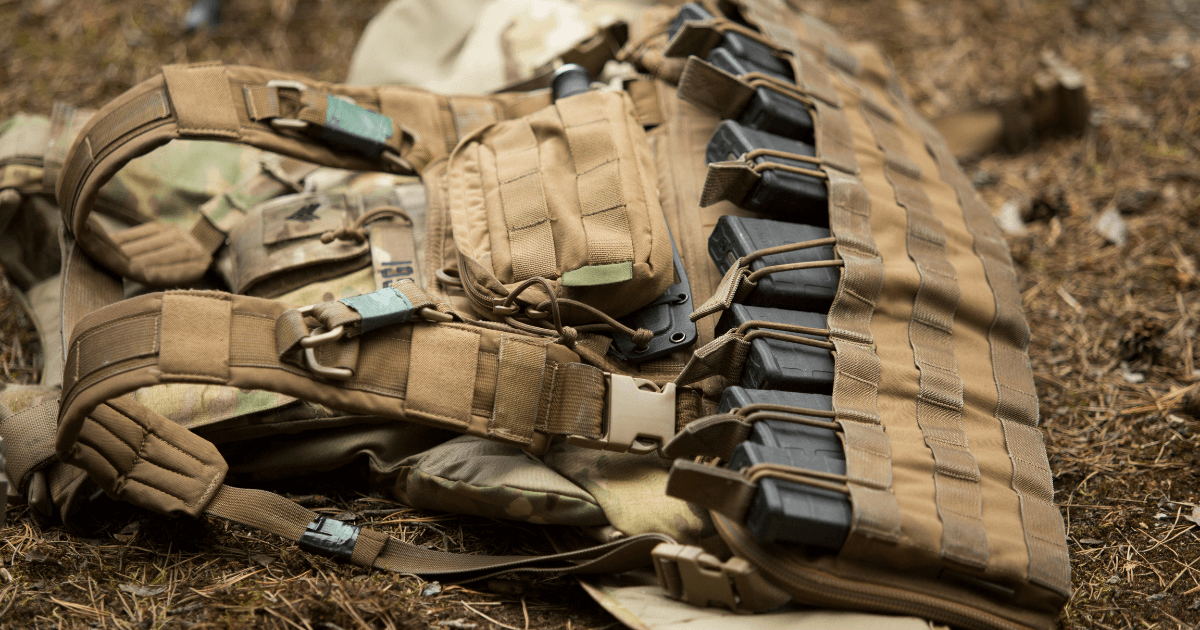
A plate carrier is a tactical vest engineered to hold ballistic armor plates — typically in front and rear pockets — while providing MOLLE webbing for attaching pouches and accessories. Plate carriers are the standard choice when ballistic protection is the priority.
Best for: Home defense, law enforcement, military applications, and any scenario where stopping rifle rounds matters more than shaving ounces.
Key characteristics:
- Front and rear plate pockets sized for standard armor plates (most commonly 10" x 12")
- Adjustable shoulder straps and cummerbund for a secure fit
- MOLLE webbing on front, back, and sides for modular gear attachment
- Weight ranges from 5 to 15+ pounds depending on plates and accessories
- Many models offer quick-release systems for emergency doffing
Chest Rigs
A chest rig is a lightweight, load-bearing harness designed to carry magazines, tools, medical supplies, and other accessories across the chest. Unlike a plate carrier, a chest rig does not hold armor plates and provides no ballistic protection.
Best for: Competition shooting, range training, airsoft, hiking, and situations where speed and mobility outweigh the need for ballistic protection.
Key characteristics:
- Extremely lightweight — typically under 2 pounds unloaded
- Minimal profile allows maximum range of motion
- Integrated magazine pouches or MOLLE panels for customization
- Can often be worn over a plate carrier for additional capacity
- Breathable and comfortable for extended wear in warm conditions
Load-Bearing Vests (LBVs)
Load-bearing vests sit between plate carriers and chest rigs. They feature built-in pouches and pockets sewn directly into the vest, along with some MOLLE compatibility. Some models accept soft armor panels but are not designed for hard plates.
Best for: Security work, outdoor activities, emergency preparedness, and users who want an all-in-one solution without configuring individual pouches.
Key characteristics:
- Pre-configured with built-in pouches and pockets
- Less modular than plate carriers but faster to set up
- May accept soft armor inserts for basic protection
- Generally more affordable than purpose-built plate carriers
- Popular with security professionals and outdoor enthusiasts
Which Type Should You Choose?
The decision comes down to a simple question: do you need ballistic protection?
If yes, you need a plate carrier. If your priority is carrying gear with maximum mobility and no armor, a chest rig is the better choice. If you want something in between with built-in organization, a load-bearing vest covers the middle ground.
For a complete breakdown of how to set up your carrier once you've chosen one, read our plate carrier setup guide.
The MOLLE System Explained
MOLLE — Modular Lightweight Load-carrying Equipment — is the attachment system that makes modern tactical gear genuinely modular. Introduced by the U.S. military in 1997 and widely adopted after 2001, MOLLE replaced the older ALICE clip system and has become the universal standard for tactical gear attachment.
How MOLLE Works
The system uses PALS (Pouch Attachment Ladder System) webbing: rows of heavy-duty nylon stitched horizontally across the vest at 1-inch intervals. MOLLE-compatible pouches have corresponding straps on the back that weave through these rows, creating a secure, non-shifting attachment that holds firm even during aggressive movement.
The key advantages of MOLLE:
- Modularity: Add, remove, or reposition pouches in minutes without tools
- Weight distribution: Spread gear weight across your torso instead of concentrating it at a few points
- Universality: Any MOLLE-compatible pouch works with any MOLLE-compatible platform, regardless of manufacturer
- Durability: Nylon webbing is resistant to abrasion, moisture, and UV degradation
- Customization: Configure your loadout for specific missions or activities
Common MOLLE Accessories
Once you have a MOLLE-compatible vest, popular attachments include magazine pouches (single, double, or triple), IFAK medical pouches, dump pouches for spent magazines, utility and radio pouches, hydration carriers, and MOLLE-mounted pistol holsters. The beauty of the system is that you only attach what you need for a given activity — and swap configurations in minutes.
Pair your vest with a solid tactical range backpack to carry everything to and from the range.
Armor Plate Ratings: NIJ Standards for 2026
If you're running a plate carrier, understanding armor ratings isn't optional — it's fundamental to knowing what your plates will and won't stop. The National Institute of Justice (NIJ) sets the standards for ballistic armor testing in the United States, and the system is currently in transition.
Legacy NIJ 0101.06 Ratings (Still in Wide Use)
Most plates on the market today are still certified under NIJ Standard 0101.06. The NIJ plans to continue certifying products under this standard until at least 2027, so these ratings remain relevant.
Level III:
- Must stop six hits of 7.62x51mm NATO M80 ball (full metal jacket lead core) at 2,780 fps
- Standard rifle protection against common hunting and military ball ammunition
- Available in steel, ceramic, and polyethylene
- Weight varies significantly by material: 3 lbs (PE) to 8+ lbs (steel) per plate
Level III+ (Industry Term — Not an Official NIJ Rating):
- "Level III+" is an informal designation used by manufacturers — the NIJ does not issue a III+ certification
- Indicates the plate defeats threats beyond standard Level III testing, such as M855 "green tip" 5.56mm and M193 ammunition
- When shopping for III+ plates, look for the manufacturer's specific testing data showing which threats the plate has been tested against
- A plate may be NIJ-certified as Level III and marketed as III+ based on additional proprietary testing
Level IV:
- The highest rating under NIJ 0101.06
- Must defeat a single hit of .30-06 M2 AP (armor-piercing with steel core) at 2,880 fps
- Provides protection against armor-piercing rifle rounds
- Predominantly ceramic or ceramic-composite construction
- Heavier than Level III — typically 6 to 8+ pounds per plate
- Used by military and law enforcement facing high-caliber threats
New NIJ 0101.07 / 0123.00 Standards (RF Classification)
In April 2024, the NIJ began testing under updated standards that replace the familiar Level II through IV system with a clearer classification. Here is how the new ratings map:
- RF1 (replaces Level III): Rated for standard rifle threats including 7.62x51mm M80 ball. Covers common AR and AK platform ammunition.
- RF2 (new intermediate level): Includes all RF1 threats plus 5.56mm M855 — effectively filling the gap that the informal "Level III+" designation covered.
- RF3 (replaces Level IV): The highest protection level, rated for .30 caliber steel-core armor-piercing rounds.
This new system is more intuitive and eliminates the confusion around the unofficial III+ label. However, as of early 2026, most commercially available plates still carry the legacy 0101.06 certifications. Expect a gradual transition over the next few years.
Plate Materials: Steel vs. Ceramic vs. Polyethylene
The material your plates are made from determines weight, thickness, multi-hit capability, cost, and how long the plates last. Each material has real trade-offs.
Steel Plates
Pros: Extremely durable with no shelf life concerns, excellent multi-hit capability, most affordable option ($50 to $150 per plate), and thin profile.
Cons: Heavy at 8 to 10+ pounds per plate. The biggest concern is spalling — bullet fragmentation on impact can send shrapnel into your neck, arms, and face unless the plate has a quality anti-spall coating. Higher blunt force trauma transfer than ceramic. Most professionals don't recommend steel for serious defensive use.
Ceramic Plates
Pros: Approximately 37% lighter than steel at 4 to 8 pounds per plate. Superior energy dispersion reduces blunt force trauma. Available up to Level IV / RF3 (steel typically maxes out at Level III). No spalling risk. Moderate cost at $100 to $300 per plate.
Cons: Limited multi-hit capability in the same impact area — ceramic fractures on hit, weakening that zone. More fragile than steel and can crack if dropped. Limited shelf life of 5 to 7 years.
Polyethylene (UHMWPE) Plates
Pros: Lightest option at 2 to 5 pounds per plate (up to 70% lighter than ceramic). Excellent multi-hit capability. Moisture-resistant, buoyant, and long-lasting with a 10+ year shelf life.
Cons: Most expensive at $200 to $500+ per plate. Thickest profile of the three materials. Temperature sensitive — softens above 180°F (82°C), making hot vehicle storage a concern. Standalone PE typically maxes out at Level III and won't stop M855 green tip or armor-piercing rounds.
Quick Comparison Table
Steel: 8-10 lbs per plate | Best multi-hit | Cheapest | Spalling risk | Level III max
Ceramic: 4-8 lbs per plate | Limited multi-hit | Moderate cost | Fragile | Up to Level IV
Polyethylene: 2-5 lbs per plate | Good multi-hit | Most expensive | Heat-sensitive | Level III (standalone)
For most civilian shooters, ceramic plates offer the best balance of protection, weight, and cost. Polyethylene is worth the premium if weight is your primary concern and you won't be storing plates in a hot vehicle. Steel plates are fine for static training setups but are difficult to recommend for dynamic use due to weight and spalling concerns.
Sizing and Fit: Getting Your Plate Carrier Right
An improperly sized plate carrier either restricts your movement or fails to cover your vital organs. Neither outcome is acceptable. Here's how to get it right.
How to Measure for Plates
Your plate size is determined by your torso, not your clothing size. Take two measurements:
- Width: Measure across your chest from nipple to nipple. This determines plate width.
- Height: Measure from the notch at the top of your sternum down to a point roughly 2 to 3 inches above your belly button. This determines plate height.
Common plate sizes:
- Small (SAPI): 8.75" x 11.75" — fits smaller frames
- Medium (SAPI): 9.5" x 12.5" — fits most average-build adults
- Large (SAPI): 10.25" x 13.25" — fits larger frames
- 10" x 12" (Shooter's Cut): The most common commercial size, fits most adults
Fit Guidelines
Once you have the right plate size, adjust the carrier:
- The top of the front plate should sit at or just below the sternal notch (the dip between your collarbones)
- The bottom of the front plate should rest approximately at your navel — no lower
- The carrier should feel snug but not restrict your breathing or shoulder movement
- You should be able to fully raise a rifle to your shoulder without the carrier binding
- The cummerbund should wrap securely around your sides without riding up
The most common fit mistakes are wearing the carrier too low (which exposes your upper chest and causes bouncing), choosing oversized plates (which restrict arm movement), and over-tightening (which limits breathing and accelerates fatigue). If you plan to wear layers underneath, factor that into your sizing decision.
If you're between sizes, go with the larger option. Plate carriers are adjustable via Velcro straps and cummerbund systems, and it's far easier to tighten a slightly large carrier than to make a too-small one work.
Weight Considerations
Weight is the factor most people underestimate. A plate carrier with Level IV ceramic plates, six loaded magazines, an IFAK, a radio, and a hydration bladder can easily exceed 30 pounds. Over the course of a long range day or training class, that weight accumulates into fatigue, slower reaction times, and reduced accuracy.
How to Manage Weight
- Start with the plates: This is your biggest weight variable. Switching from steel to ceramic saves 4 to 6 pounds. Switching from ceramic to PE saves another 2 to 4 pounds.
- Carry only what you need: Resist the urge to fill every MOLLE channel. Load your carrier for the specific activity — a range day doesn't require the same loadout as a 3-gun competition.
- Use a padded cummerbund: Distributes weight around your midsection and takes load off your shoulders.
- Invest in quality shoulder pads: Padded shoulder straps make a meaningful difference over hours of wear.
- Train with weight progressively: Don't strap on a full combat loadout for your first range session in a carrier. Build up over time.
Weight also affects what you wear with your carrier. Choosing gear that works with your loadout — like a good pair of comfortable tactical pants and a quality tactical hat for sun protection — makes long training days significantly more manageable.
Top 5 Tactical Vest Picks for 2026 (By Use Case)
Rather than ranking these in a generic "best to worst" list, we've matched each pick to a specific use case. The best tactical vest for you depends on what you're doing with it.
1. Best for All-Around Use: Crye Precision JPC 2.0
The Jumpable Plate Carrier 2.0 from Crye Precision is the benchmark for a reason. Weighing just over one pound (without plates), it offers exceptional mobility without sacrificing protection capability. The JPC 2.0 accepts standard SAPI and 10" x 12" plates, features full MOLLE coverage on the front panel and cummerbund, and includes a built-in admin pouch and zippered rear panel for hydration or flat storage.
Why it wins: The JPC 2.0 transitions seamlessly between range days, competition, and serious defensive use. Its lightweight design means you can run heavier plates without the total system weight becoming prohibitive.
Ideal for: Shooters who want one carrier that does everything well.
Price range: $240 to $280
Plate compatibility: SAPI Small through Large, 10" x 12" Shooter's Cut
2. Best for Home Defense: Shellback Tactical Banshee Elite 3.0
Built by combat veterans, the Banshee Elite 3.0 is constructed from 500D Cordura nylon — lightweight yet extremely durable. It accepts hard plates up to Level IV ESAPI in 10" x 12" format and features a quick-release system that allows you to remove the carrier with a single pull. For a home defense carrier that lives in a closet or staged location, the fast-don and fast-doff capability is critical.
Why it wins: The quick-release system and fast-don design mean you can get this carrier on in seconds under stress — exactly what a home defense scenario demands.
Ideal for: Home defense, staged defensive setups
Price range: $280 to $350
Plate compatibility: Up to Level IV ESAPI 10" x 12"
3. Best for Competition and Range Days: Haley Strategic D3CRX Chest Rig
For competition shooting, 3-gun matches, and dedicated range sessions, a chest rig often makes more sense than a plate carrier. The Haley Strategic D3CRX is a modular chest rig built around a configurable insert system that accommodates different magazine types (AR, AK, SMG, or pistol). It's light, fast, and keeps your magazines right where your hands expect them.
Why it wins: The magazine insert system lets you reconfigure for different competitions without buying new pouches. Sub-2-pound weight keeps you fast through stages.
Ideal for: 3-gun competition, carbine classes, range training
Price range: $160 to $200
Note: No ballistic protection — this is a gear-carrying platform, not armor
4. Best Budget Plate Carrier: Whiskey Two-Four PC13
Not everyone needs (or can justify) a $300 plate carrier. The Whiskey Two-Four PC13 delivers solid construction and genuine MOLLE compatibility at a fraction of the price of premium options. It accepts standard 10" x 12" plates, features laser-cut MOLLE on the front and back panels, and includes a padded cummerbund. The build quality punches well above the price point.
Why it wins: Accessible entry point into plate carriers without compromising on the fundamentals. Excellent for shooters building their first carrier setup or those who want a dedicated training carrier they're not afraid to beat up.
Ideal for: First-time plate carrier buyers, training use, budget-conscious setups
Price range: $100 to $150
Plate compatibility: 10" x 12" Shooter's Cut
5. Best for Airsoft and Training: Condor Modular Operator Plate Carrier (MOPC)
For airsoft, force-on-force training, and recreational tactical activities, the Condor MOPC offers full MOLLE coverage, an adjustable cummerbund, and built-in plate pockets — all at a price that makes sense for non-ballistic use. You can load it with foam training plates to simulate weight or run it empty as a gear-carrying platform.
Why it wins: Full-featured carrier at a price point appropriate for training and recreational use. Accepts real plates if you ever want to upgrade to live-fire defensive use.
Ideal for: Airsoft, force-on-force training, recreational shooting
Price range: $50 to $80
Plate compatibility: Standard 10" x 12"
Essential Accessories for Your Tactical Vest
A vest or plate carrier is a platform — what you put on it determines how well it serves you.
Start with these three: Magazine pouches (three rifle mag pouches on the front panel, plus pistol mag pouches if you carry a sidearm), an IFAK (Individual First Aid Kit) mounted where either hand can reach it, and a dump pouch for spent magazines during reloads.
From there, add based on your specific needs: an admin pouch for small tools, a radio pouch for comms, a hydration carrier for all-day events, aftermarket shoulder pads for heavy loadouts, and a patch panel for identification or morale patches.
Don't overlook the gear you carry to the range. A well-organized tactical backpack keeps your accessories sorted during transport. For a full breakdown of what to pack, see our range bag essentials guide.
Safety Gear That Pairs with Your Tactical Vest
Your tactical vest handles ballistic protection and gear organization. But it doesn't protect your hearing or your eyes — and those are the injuries most likely to actually happen at the range.
According to the CDC, recreational shooters are 4 times more likely to develop hearing loss than non-shooters. A single gunshot above 140 dB can cause immediate, permanent hearing damage — and even a .22 rifle produces approximately 140 dB. A 12-gauge shotgun generates roughly 165 dB.
ANSI Z87.1 certified safety glasses protect against high-velocity impact — the standard requires lenses to withstand a quarter-inch steel ball traveling at 150 feet per second. Non-rated sunglasses offer zero meaningful impact protection.
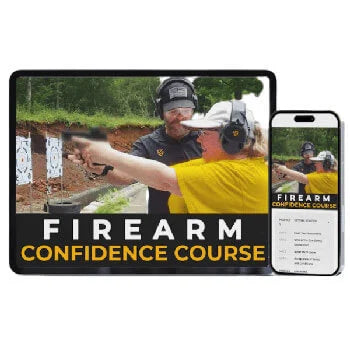
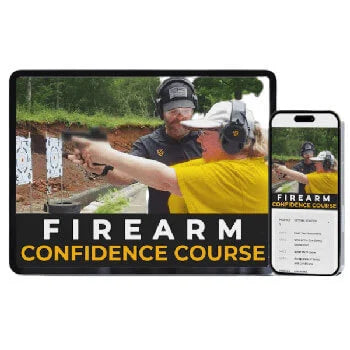
TradeSmart Safety's shooting range kits pair NRR 28 earmuffs with ANSI Z87.1+ certified safety glasses in a single package. Every kit includes a free Range Confidence Course covering firearms fundamentals. If you're running electronic ear protection for better situational awareness during drills, the TacticalEdge electronic earmuffs provide NRR 24 protection with sound amplification and directional microphones — ideal for hearing range commands while keeping your hearing safe.
For a deeper dive into hearing protection, read our guide on the best ear protection for shooting.
Frequently Asked Questions
What is the difference between a plate carrier and a tactical vest?
A plate carrier is a specific type of tactical vest designed to hold ballistic armor plates (hard or soft) in front and rear pockets, providing protection against firearm threats. A general tactical vest is a broader category that includes plate carriers, chest rigs, and load-bearing vests — some of which carry gear only and offer no ballistic protection. When people say "tactical vest," they often mean a plate carrier, but the terms are not interchangeable.
Are tactical vests legal to own?
In most U.S. states, civilians can legally purchase, own, and wear body armor including plate carriers and ballistic plates. However, some states restrict body armor possession for convicted felons, and a few states have specific regulations. Connecticut, for example, restricts in-person sales and requires face-to-face transactions for body armor purchases. Always check your local and state laws before purchasing.
What NIJ level do I need for home defense?
For home defense, Level III plates (or RF1 under the new standard) provide protection against common rifle threats including 7.62x51mm NATO and standard 5.56mm rounds. If you're concerned about M855 green tip ammunition, look for plates marketed as Level III+ that have been tested against those specific threats. Level IV (RF3) plates stop armor-piercing rounds but add significant weight — for most home defense scenarios, Level III or III+ ceramic plates offer the best balance of protection and wearability.
How much does a fully loaded plate carrier weigh?
A fully loaded plate carrier typically weighs between 15 and 30 pounds, depending on plate material, accessories, and ammunition carried. The carrier itself weighs 1 to 3 pounds. Two Level III ceramic plates add 8 to 14 pounds. Six loaded AR-15 magazines add approximately 6 pounds. An IFAK, radio, hydration, and miscellaneous gear can add another 3 to 8 pounds. Steel plates push the total higher; polyethylene plates can bring total system weight down significantly.
How long do body armor plates last?
Steel plates have no practical expiration date when properly stored. Ceramic plates are rated for 5 to 7 years by most manufacturers. Polyethylene plates typically carry a 10+ year shelf life. All plates should be inspected regularly for cracks, delamination, or coating damage. Store plates in climate-controlled environments — avoid prolonged heat exposure, especially for PE plates.
Can I wear a chest rig over a plate carrier?
Yes, and this is a common configuration for users who need both ballistic protection and expanded gear capacity. Running a chest rig over a plate carrier (sometimes called a "placard" setup) gives you additional magazine and accessory storage on top of your armored platform. Many modern chest rigs are designed specifically for this purpose, with low-profile backs that sit flat against a plate carrier's front panel. Just be aware that the added bulk can restrict your draw stroke and increase overall weight.
Final Thoughts: Build Your Loadout with Purpose
A tactical vest is only as good as the thought you put into selecting and configuring it. Start with the right platform for your use case, choose plates that match your threat profile and weight tolerance, and load only the gear you actually need for the activity at hand.
And remember: no matter how well-armored your torso is, your hearing and vision are irreplaceable. Approximately 40 million Americans aged 20 to 69 already have noise-induced hearing loss, according to the National Institute on Deafness and Other Communication Disorders. Don't add to that number.
Before your next range day, make sure your ear and eye protection is as solid as the rest of your loadout. TradeSmart Safety's complete shooting safety kits include NRR 28 earmuffs, ANSI Z87.1+ safety glasses, a protective case, and a free Range Confidence Course — all backed by a 10-year warranty and free shipping. Shop the full range of kits here.





Leave a comment (all fields required)