






Few things at the shooting range are more frustrating — or more dangerous — than having your safety glasses fog up mid-session. One moment you have a clear sight picture, the next you're staring through a white haze with a loaded firearm in your hands. It's not just annoying. It's a genuine safety hazard.
Whether you're training at an indoor range on a humid day, transitioning between a cold parking lot and a heated shooting bay, or simply generating body heat during a long practice session, fogging is a problem nearly every shooter encounters. According to workplace safety research, 100% of surveyed workers who experienced fogging reported it as a major factor in removing their protective eyewear — a decision that can have serious consequences when projectile fragments, hot brass, and unburned powder are in the air.
This guide breaks down exactly why safety glasses fog, which anti-fog methods actually work (and which are a waste of time), and how to choose eyewear that stays clear when it matters most.
The Science of Fogging: Why Your Safety Glasses Fog Up
Understanding why lenses fog is the first step toward solving the problem. Fogging isn't random — it follows predictable physics, and once you understand those physics, the solutions make a lot more sense.
Temperature Differential and Condensation
Fog on your lenses is condensation — the same process that puts water droplets on the outside of a cold glass on a warm day. When warm, moisture-laden air contacts a lens surface that's cooler than the surrounding air's dew point, the air can no longer hold all of its water vapor. That excess moisture condenses into thousands of tiny water droplets on the lens surface, scattering light in every direction and creating the opaque "fog" effect.
The dew point is the critical threshold. It's the temperature at which air becomes saturated and water vapor begins to condense. The closer the ambient humidity is to 100%, the smaller the temperature gap needed to trigger fogging. This is why indoor ranges — where humidity tends to be higher due to enclosed air circulation and the body heat of multiple shooters — are notorious for fogging problems.
The Three Main Fogging Triggers at the Range
- Temperature transitions: Moving from a cold outdoor environment into a heated indoor range is the classic fogging scenario. Your lenses are cold, the indoor air is warm and humid, and condensation forms almost instantly. The same can happen in reverse during summer — stepping from an air-conditioned vehicle into hot, humid outdoor air.
- Body heat and exertion: Your body generates significant heat, especially during active shooting drills, competition stages, or tactical training. This warm air rises directly into your eyewear, creating a microclimate between your face and the lens that's warmer and more humid than the surrounding environment.
- Restricted airflow: Safety glasses that sit too close to the face or wrap tightly around the temples can trap warm air against the lens. While a close fit is important for impact protection — ANSI Z87.1 certification requires lenses to withstand a quarter-inch steel ball at 150 feet per second — poor ventilation design turns protective eyewear into a fog trap.
Why Fogging Is Dangerous at the Shooting Range
At a construction site or workshop, fogged safety glasses are a productivity problem. At a shooting range, they're a safety emergency. The stakes are categorically different when live ammunition is involved.
When your lenses fog during live fire, several dangerous things can happen simultaneously:
- Loss of target identification. You can't confirm what's beyond your target if you can't see clearly. This violates one of the fundamental rules of gun safety.
- Impaired muzzle awareness. Fog compromises your ability to track your muzzle direction relative to other shooters, range officers, and non-shooting areas.
- The temptation to remove eye protection. This is the most common — and most dangerous — response. Shooters lift or remove fogged glasses to see, exposing their eyes to ejected brass, powder residue, ricochets, and jacket fragments. The Bureau of Labor Statistics estimates that proper eye protection can prevent up to 90% of workplace eye injuries, but only if you keep it on.
- Distraction during critical moments. Reaching up to wipe lenses or adjust glasses while handling a firearm introduces unnecessary movement and diverts your attention from safe gun handling.
Understanding proper range etiquette means keeping your safety gear on and functional at all times. Anti-fog performance isn't a luxury feature — it's a safety requirement.

Anti-Fog Coating Types: What Actually Works on Safety Glasses
Not all anti-fog coatings are created equal. The two main approaches — hydrophilic and hydrophobic — work through completely different mechanisms, and the distinction matters when you're choosing eyewear for the range.
Hydrophobic Coatings (Water-Repelling)
Hydrophobic coatings create a water-resistant barrier that causes moisture to bead up and roll off the lens surface, similar to how rain sheets off a waxed car hood. These coatings are typically soap-based or silicone-based.
Pros: Easy to apply. Widely available as aftermarket sprays and wipes. Effective at repelling rain, splashes, and large water droplets.
Cons: Less effective against fog specifically, because fog consists of microscopic droplets that can still scatter light even when beaded. The coating washes off over time — often after just a few cleanings. Must be reapplied regularly.
Hydrophilic Coatings (Water-Absorbing)
Hydrophilic coatings take the opposite approach. Instead of repelling moisture, they absorb it. The coating acts like a microscopic sponge, pulling condensation into the coating itself and spreading it into an ultra-thin, transparent film rather than allowing it to form light-scattering droplets.
Pros: Significantly more effective against fog. The absorbed moisture naturally migrates to the edges of the lens and evaporates. When bonded at the molecular level during manufacturing, hydrophilic coatings are permanent — they don't wash off with normal cleaning.
Cons: More expensive to manufacture. Quality varies significantly between brands. Only effective when applied as a permanent coating during lens production — aftermarket hydrophilic sprays exist but don't deliver the same performance.
Permanent vs. Temporary Anti-Fog Treatments
This is the distinction that matters most for shooters:
- Permanent coatings are applied during the lens manufacturing process. They're bonded to the polycarbonate at the molecular level and last the life of the lens. This is the technology used in quality shooting safety glasses.
- Temporary treatments are applied after manufacturing — sprays, wipes, gels, or home remedies. They sit on top of the lens surface and degrade with each use, cleaning, or exposure to sweat and oils. Most provide 30 minutes to a few hours of protection at best.
For occasional use in mild conditions, temporary treatments can work. For regular range sessions — especially at indoor ranges or in variable weather — permanent anti-fog coatings are the only reliable option.
DIY Anti-Fog Methods: Do They Actually Work?
The internet is full of home remedies for foggy glasses. Some have a basis in science. Others are wishful thinking. Here's an honest assessment of each.
Dish Soap
How it works: A thin film of surfactant (the active cleaning agent in soap) reduces surface tension on the lens, causing moisture to spread into a transparent sheet instead of forming droplets.
Effectiveness: Moderate, but short-lived. Apply a small drop, rub it across both sides of the lens, then buff gently with a soft cloth until clear. The effect typically lasts 1-2 hours in mild conditions, less in high humidity. You'll need to reapply between sessions.
Downsides: Leaves a faint residue that can cause slight optical distortion. Wears off quickly with sweat. Some dish soaps contain additives that can irritate eyes.
Baby Shampoo
How it works: Same surfactant principle as dish soap, but with a milder, "no tears" formulation that's less likely to irritate eyes if residue migrates.
Effectiveness: Slightly better than dish soap for safety glasses because the milder formula leaves a thinner, more even film. Apply a small drop, spread evenly, let it dry for a few minutes, then lightly buff. Some users leave a thin layer on overnight for a more durable result.
Downsides: Still temporary — typically 1-3 hours of protection. Must be reapplied. Can introduce slight haze on the lens.
Shaving Cream
How it works: Shaving cream contains glycerin, which creates a moisture barrier on the lens surface. It's the same reason people use shaving cream to keep bathroom mirrors from fogging after a shower.
Effectiveness: Low to moderate. It works briefly, but shaving cream is thicker than soap or shampoo, which makes it harder to apply evenly. The result is often a streaky, semi-clear coating that introduces its own visibility problems.
Downsides: Heavy application required. Scrubbing off excess can scratch polycarbonate lenses. May leave residue that attracts dust and debris. Not recommended for coated lenses.
Commercial Anti-Fog Sprays
How they work: Purpose-formulated surfactant solutions designed specifically for lens surfaces. Most are based on a combination of hydrophilic surfactants and film-forming polymers.
Effectiveness: The best of the temporary options. Quality sprays can provide 4-8 hours of protection in moderate conditions. They're formulated to be optically clear and safe for coated lenses.
Downsides: Added cost ($5-15 per bottle). Must be carried to the range and reapplied. Performance drops significantly in extreme humidity or with heavy perspiration. Even the best sprays degrade with each lens wipe.
The Bottom Line on DIY Methods
DIY anti-fog methods are band-aids, not solutions. They work in mild conditions for short periods, and they're better than nothing if your glasses don't have built-in anti-fog coating. But for serious range use — especially indoor ranges, cold-weather shooting, or extended sessions — they simply can't keep up.
The Real Solution: Purpose-Built Anti-Fog Safety Glasses
The most effective approach to fog-free shooting combines two things: permanent anti-fog lens coatings applied during manufacturing, and intelligent frame ventilation that allows airflow without compromising impact protection.
What to Look For in Anti-Fog Shooting Glasses
- Factory-applied anti-fog coating. This should be permanently bonded to the lens, not a spray-on aftermarket treatment. Ask whether the coating is hydrophilic (absorbing) — this technology consistently outperforms hydrophobic (repelling) coatings for fog prevention.
- ANSI Z87.1+ impact certification. Anti-fog performance means nothing if the lenses can't stop a fragment or ejected casing. ANSI Z87.1+ is the recognized standard for high-velocity impact resistance — the "+" designation means the lens passed the high-mass and high-velocity impact tests.
- Polycarbonate lenses. Polycarbonate is the standard material for safety eyewear because it's inherently impact-resistant and lightweight. Glass and standard plastic lenses can shatter on impact.
- Ventilated frame design. Look for frames that allow air to circulate between the lens and your face without creating gaps large enough for debris to enter. Subtle channels in the frame or temple arms make a significant difference.
- Proper fit. Glasses that sit too close to the face trap warm air. Glasses that sit too far away don't protect against side impacts. The right safety glasses find the balance — close enough for protection, with enough standoff for ventilation.
TradeSmart Safety's Anti-Fog Safety Glasses
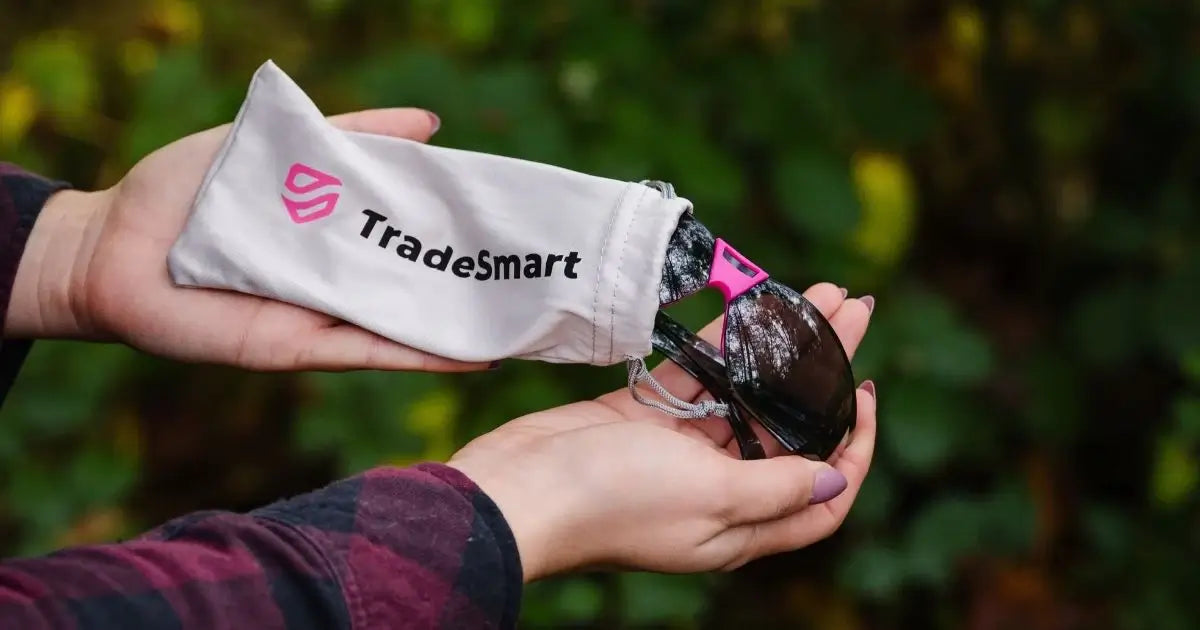
TradeSmart Safety's shooting glasses are designed specifically with these principles in mind. Every pair features ANSI Z87.1+ certified polycarbonate lenses with a permanent anti-fog coating applied during the manufacturing process — not sprayed on as an afterthought.
The lenses are impact-resistant, optically clear, and treated to absorb moisture rather than let it bead into fog-producing droplets. They're available in both clear and tinted configurations to handle indoor and outdoor shooting conditions.
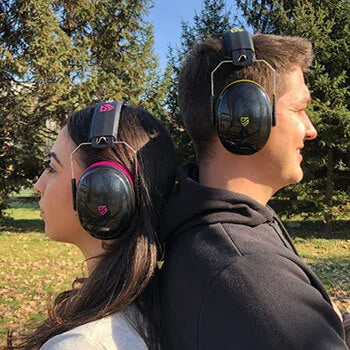
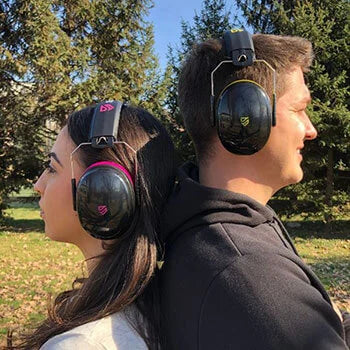
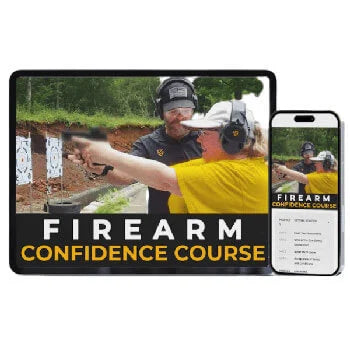
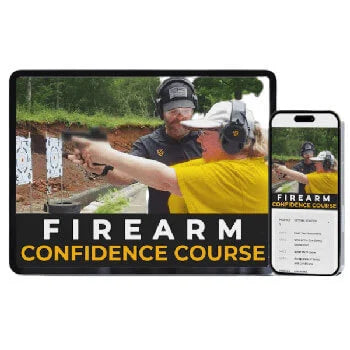
What makes TradeSmart Safety's approach practical for shooters is the bundled kit format. The shooting range kits pair anti-fog safety glasses with NRR 28 earmuffs and NRR 33 foam earplugs — everything you need for complete eye and ear protection in a single purchase. Every kit also includes a hard-shell carrying case and free access to the Range Confidence Course, an online firearms fundamentals program.
All TradeSmart Safety products are backed by a 10-year warranty and ship free.
Tips for Different Shooting Conditions
Fogging behaves differently depending on where and when you shoot. Here's how to adapt your approach for the conditions you'll actually encounter.
Indoor Ranges (High Humidity)
Indoor ranges are the most fog-prone shooting environment. Enclosed spaces trap humidity from multiple shooters' body heat and respiration, ventilation systems create air currents that accelerate condensation, and temperature differentials between the shooting area and observation areas can be significant.
- Use clear-lens safety glasses with permanent anti-fog coating — tinted lenses reduce visibility in already-dim indoor lighting.
- Allow your glasses to acclimate. Before putting them on, hold your safety glasses in the indoor environment for 2-3 minutes. This brings the lens temperature closer to the ambient air temperature, reducing the initial condensation burst.
- Keep a microfiber cloth accessible — not for wiping during shooting (never remove eye protection on an active range), but for maintenance between strings of fire during ceasefire periods.
- Consider TradeSmart Safety's Premium kit with clear lenses, specifically designed for indoor range environments.
Cold Weather Shooting
Cold weather creates the largest temperature differentials — your body heat at 98.6 degrees Fahrenheit versus lens surfaces that may be near freezing. This is the most challenging scenario for any anti-fog system.
- Pre-warm your lenses by keeping them inside your jacket or in a pocket close to your body before arriving at the range. This reduces the temperature gap when you put them on.
- Avoid breathing patterns that direct warm air upward into your eyewear. Breathe through your nose and downward when possible during aiming sequences.
- Avoid wearing a scarf or neck gaiter that channels warm exhaled air upward into your glasses.
- Keep movement steady. Bursts of exertion create surges of body heat and perspiration that overwhelm even good anti-fog coatings.
Hot Weather Shooting
Hot weather fogging is less common but still occurs, particularly when you move from an air-conditioned vehicle to an outdoor range in humid conditions, or when heavy perspiration creates a moisture-rich microclimate under your eyewear.
- Use tinted or photochromic lenses that also reduce glare and eye strain in bright conditions. TradeSmart Safety's Premium kit with clear and tinted lenses covers both indoor and outdoor scenarios.
- Wear a moisture-wicking headband or hat to keep sweat from running down your forehead and onto your lenses. A quality range hat does double duty — sweat management and sun protection.
- Stay hydrated. Dehydrated shooters actually perspire more concentrated sweat, which leaves heavier residue on lenses and degrades anti-fog coatings faster.
- Take breaks in shaded areas to let your body temperature normalize and allow your eyewear to ventilate.
Maintaining Your Anti-Fog Safety Glasses
Even the best anti-fog coating can be degraded by improper care. Follow these practices to get the longest life from your lenses:
- Clean with water and mild soap only. Avoid harsh chemicals, ammonia-based glass cleaners, and alcohol wipes — they strip anti-fog coatings.
- Air dry or pat dry with a microfiber cloth. Paper towels, shop rags, and shirt sleeves can scratch polycarbonate and create micro-abrasions that trap moisture.
- Store in a protective case. Loose glasses in a range bag get scratched by ammunition boxes, tools, and other gear. Every TradeSmart Safety kit includes a hard-shell case for this reason.
- Don't touch the inside of the lenses. Oil from your fingers degrades anti-fog coatings faster than almost anything else. Handle glasses by the frames.
- Replace when coating deteriorates. If you notice increased fogging despite proper care, the anti-fog coating may have reached end of life. Continuing to use compromised eyewear at the range puts your eyes at risk.
Complete Range Protection: Eyes and Ears
Anti-fog safety glasses solve one critical piece of the protection puzzle, but complete range safety requires protecting both your eyes and your hearing. Gunshots produce 140-175 decibels depending on caliber — far above the 85 dB threshold where the National Institute for Occupational Safety and Health (NIOSH) recommends hearing protection. A single unprotected exposure above 140 dB can cause immediate, permanent hearing damage.
This is why TradeSmart Safety bundles eye and ear protection together. Rather than piecing together separate products from different brands — with different quality standards and no guarantee of compatibility — a complete kit ensures everything works together and meets the same certification standards.
For shooters who want to maintain situational awareness while protecting their hearing, the Electronic Ear and Eye Protection kit combines anti-fog safety glasses with electronic earmuffs that amplify normal conversation while blocking harmful gunshot noise. It's a practical solution for training environments where communication matters. To learn more about what to bring to the range, read our guide on what to wear to a gun range.
Frequently Asked Questions
Why do my safety glasses fog up so quickly at indoor ranges?
Indoor ranges create the perfect conditions for fogging: enclosed spaces trap humidity from multiple shooters' body heat and respiration, the ambient temperature is typically warmer than outdoor air, and the temperature differential between your lenses (cooled during transit) and the indoor air triggers rapid condensation. The higher the humidity, the smaller the temperature gap needed for fog to form. Allow your glasses to acclimate to the indoor temperature for 2-3 minutes before putting them on, and use eyewear with permanent anti-fog coatings for the best results.
Does dish soap really prevent safety glasses from fogging?
Dish soap can provide short-term fog reduction. The surfactants in soap lower the surface tension of the lens, causing moisture to spread into a thin, transparent film instead of forming light-scattering droplets. However, the effect typically lasts only 1-2 hours and degrades quickly with sweat and humidity. It's a workable emergency fix but not a reliable long-term solution for shooting environments where consistent clear vision is a safety requirement.
What is the difference between hydrophilic and hydrophobic anti-fog coatings?
Hydrophobic coatings repel water, causing it to bead up and roll off the lens. Hydrophilic coatings absorb moisture, pulling condensation into the coating itself and spreading it into an invisible film. For fog prevention specifically, hydrophilic coatings are more effective because fog consists of microscopic water droplets that hydrophobic coatings can't fully repel. Permanent hydrophilic coatings bonded during lens manufacturing provide the longest-lasting, most reliable anti-fog performance.
Can I add anti-fog coating to safety glasses that don't have it?
You can apply aftermarket anti-fog sprays or wipes, which provide temporary fog reduction lasting a few hours. However, these surface-level treatments can't match the performance or durability of factory-applied coatings that are molecularly bonded to the lens during manufacturing. If fogging is a recurring problem, it's more cost-effective and safer to invest in purpose-built anti-fog safety glasses rather than continuously purchasing aftermarket treatments.
Are anti-fog safety glasses still impact-rated?
Yes — quality anti-fog safety glasses maintain full impact protection. The anti-fog coating is applied to the surface of the polycarbonate lens and doesn't affect its structural integrity. Look for the ANSI Z87.1+ marking, which confirms the lens has passed both high-mass and high-velocity impact tests. TradeSmart Safety glasses carry this certification, meaning they meet the standard requiring lenses to withstand a quarter-inch steel ball at 150 feet per second.
How should I clean anti-fog safety glasses without damaging the coating?
Rinse the lenses under lukewarm water to remove debris, then gently clean with a small amount of mild soap (avoid ammonia-based cleaners and alcohol). Pat dry with a clean microfiber cloth — never use paper towels, tissues, or abrasive fabrics. Avoid rubbing aggressively, and handle the glasses by the frames rather than touching the lens surfaces. Store them in a protective case between uses to prevent scratches that can compromise both the anti-fog coating and the lens itself.
Keep Your Vision Clear When It Matters Most
Fog on your safety glasses isn't just an inconvenience at the range — it's a safety risk that can lead to poor decisions, broken safety rules, and unprotected eyes. The science is straightforward: temperature differentials cause condensation, and the right combination of permanent anti-fog coatings and ventilated frame design prevents it.
DIY methods have their place for occasional shooters in mild conditions, but if you spend any serious time at the range, purpose-built anti-fog safety glasses are the practical answer. They eliminate the problem at the source instead of treating symptoms with temporary fixes that wear off at the worst possible moment.
TradeSmart Safety's complete shooting range kits pair ANSI Z87.1+ anti-fog safety glasses with NRR 28 earmuffs, NRR 33 earplugs, a protective carrying case, and free access to the Range Confidence Course. Every product is backed by a 10-year warranty and ships free. Browse the full range of kits and find the right protection for how you shoot.



Leave a comment (all fields required)