



The Best Comfortable Tactical Pants for Every Shooter (2026 Guide)
Whether you are a competitive shooter logging hours at the range every week, a law enforcement professional gearing up for duty, or a recreational shooter who just wants reliable pants that can handle brass, dirt, and long days standing on concrete, the right pair of tactical pants makes a measurable difference in your comfort and performance.
The problem is that the tactical pants market has exploded. Walk into any gear store or scroll through any online retailer and you will find dozens of options ranging from $30 budget imports to $300 combat-grade pants designed for special operations. How do you sort through the noise and find pants that actually work for your needs at the range?
This guide breaks down everything you need to know about tactical pants for shooters in 2026 — from the fabrics and construction features that matter most, to specific recommendations by budget and use case, to the range-specific details that most generic "best tactical pants" lists completely ignore.
What Makes Tactical Pants "Tactical"?
Before diving into specific recommendations, it helps to understand what separates tactical pants from standard cargo pants or work trousers. The label "tactical" gets thrown around loosely, but genuine tactical pants share a set of construction features engineered for demanding physical activity.
Ripstop Fabric Construction
The foundation of any quality tactical pant is ripstop fabric. Ripstop integrates reinforcement threads into the weave in a crosshatch grid pattern, which prevents small tears from spreading into larger rips. This is critical at the range where you are kneeling on gravel, catching your pants on bench edges, and generally putting fabric through more abuse than office khakis were designed to handle.
Not all ripstop is created equal. The weight, thread count, and fiber blend all affect durability and comfort. We will break down the specific fabric types in the next section.
Gusseted Crotch
A gusseted crotch is a diamond-shaped fabric panel sewn into the crotch area that distributes stress across a wider area when you squat, lunge, or take a wide stance. For shooters, this matters more than you might think. Dropping into a kneeling position, transitioning between shooting stances, and crouching to load magazines from a range bag all put strain on the crotch seam — the number one failure point on standard pants.
A quality gusseted crotch eliminates that uncomfortable binding feeling and dramatically extends the lifespan of the pants. If a pair of "tactical" pants does not have a gusseted crotch, they are cargo pants with extra pockets.
Reinforced Knees
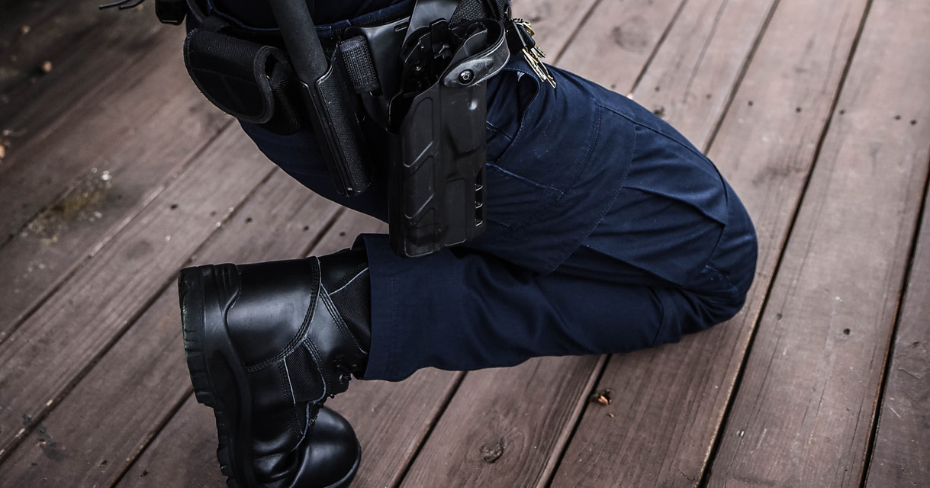
Reinforced knee areas use either double-layered fabric, bartack stitching, or articulated paneling to provide extra durability and protection in the knee zone. For range shooters, reinforced knees serve two purposes: they prevent premature wear from kneeling on concrete and gravel, and they provide a foundation for knee pad inserts if your shooting discipline requires kneeling positions.
Articulated or Pre-Curved Knees
Many higher-end tactical pants feature articulated knee construction, where the knee area is pre-shaped to follow the natural bend of the leg. This eliminates fabric bunching behind the knee and allows full range of motion without the pant leg riding up. Competitive shooters who transition quickly between standing, kneeling, and prone positions will notice the difference immediately.
Cargo and Utility Pockets
Tactical pants typically include six to twelve pockets in various configurations. For shooters, the most relevant pocket features include:
- Magazine-sized cargo pockets — Deep enough to securely hold pistol or rifle magazines
- Knife or multi-tool pockets — Narrow pockets on the thigh or inseam designed for folding knives
- Internal mesh pockets — Lightweight internal pockets for smaller items like earplugs or a phone
- Zippered or flap-secured pockets — Prevent items from falling out during dynamic movement
- Rear pockets with closures — Keep a wallet or keys secure when you are moving between stations
Magazine pockets in particular are a feature that competition shooters swear by. Having a dedicated pocket sized specifically for magazines means you can stage reloads on your body rather than relying entirely on a belt-mounted setup.
Reinforced Belt Loops
Standard pants come with belt loops designed to hold a casual leather belt. Tactical pants feature wider, reinforced belt loops — typically 1.75 to 2 inches wide — designed to support the weight of a loaded duty belt or range belt without tearing or deforming. If you run a holster, magazine pouches, or any belt-mounted accessories at the range, this is a non-negotiable feature.
Tactical Pants Fabric Guide: What Your Pants Are Actually Made Of
The fabric blend is the single biggest factor affecting comfort, durability, weight, and price. Here is what you need to know about each major option.
100% Cotton Ripstop
Best for: Warm weather, casual range days, maximum breathability
Pure cotton ripstop is the lightest and most breathable option. It feels soft against the skin and handles heat well, making it a solid choice for outdoor summer shooting. The downside is that cotton absorbs moisture, dries slowly, fades with washing, and shrinks more than synthetic blends. Cotton ripstop will also wear out faster than blended fabrics under heavy use.
Typical weight: 5.5–6.5 oz/yd²
Nylon/Cotton (NYCO) Ripstop — 50/50 Blend
Best for: All-around durability, military-style applications, four-season use
The 50/50 nylon-cotton blend (commonly called NYCO) is the gold standard for military tactical pants and has been the fabric of choice for the U.S. military's combat uniform program for decades. The nylon component adds significant tear resistance, abrasion resistance, and moisture-wicking capability while the cotton maintains breathability and comfort against the skin.
NYCO ripstop resists staining, fading, and shrinking far better than pure cotton. It is heavier than pure cotton, which can be a drawback in extreme heat but provides excellent year-round performance for most shooters.
Typical weight: 6.5–8 oz/yd²
Polyester/Cotton Ripstop — 65/35 Blend
Best for: Lightweight comfort, warm-weather shooting, wrinkle resistance
The 65/35 poly-cotton blend is lighter than NYCO and more resistant to wrinkles, moisture, and fading. The higher synthetic content makes these pants dry faster and maintain their appearance through more wash cycles. Most shooters find poly-cotton to be the best balance of comfort and low maintenance for regular range use.
The trade-off is that poly-cotton is not quite as tough as NYCO in extreme abrasion scenarios. For the vast majority of range shooters, this difference is academic — you will wear these pants out from washing long before you wear through the fabric.
Typical weight: 5.5–7 oz/yd²
Stretch Fabrics (Mechanical Stretch or Spandex Blends)
Best for: Competition shooting, dynamic range drills, maximum mobility
Modern tactical pants increasingly incorporate stretch technology, either through mechanical stretch weaves (the fabric structure itself allows give) or by adding 2–5% spandex or elastane to the blend. Stretch fabrics provide superior range of motion and are particularly valued by competition shooters who need to move quickly between positions.
The 5.11 Apex pants, for example, use a mechanical stretch canvas that delivers flex without relying on spandex fibers that can break down over time. This is a meaningful durability advantage for pants you plan to wear hard.
Typical weight: Varies by base fabric
Cotton Canvas (Duck Canvas)
Best for: Maximum durability, cold-weather shooting, heavy-duty use
Cotton canvas is the heaviest and most durable option. It provides excellent abrasion resistance and wind protection but trades off breathability and flexibility. Canvas pants are best suited for cold-weather range sessions or situations where you need maximum toughness and do not mind the stiffer feel. Some manufacturers treat canvas with DWR (Durable Water Repellent) coatings for weather resistance.
Typical weight: 8–12 oz/yd²
Fit Considerations for Range Use
Fit matters more for shooting than for most other applications because your pants need to accommodate specific movements and gear configurations that everyday clothing simply was not designed for.
Waistband and Rise
A mid-rise waist is generally the best choice for range shooting. Low-rise pants can expose your lower back when you bend or kneel, which is uncomfortable and can interfere with a belt-mounted holster setup. High-rise pants can bind when you sit at a bench rest. Look for pants with a contoured waistband that sits securely without requiring constant adjustment.
Thigh and Seat Room
Tactical pants with a relaxed or athletic fit through the thigh and seat allow for the full range of motion shooting demands. Pants that are too tight through the thigh will restrict your ability to drop into a kneeling position quickly or take a wide stance. On the other hand, excessively baggy pants can catch on equipment or create fabric bunching that interferes with your draw stroke from a thigh holster.
Knee Articulation
Pre-curved or articulated knees keep the knee pad pocket (if present) properly aligned over your kneecap when you kneel. Straight-cut knees tend to shift the knee pad off-center, which defeats the purpose. If you shoot from kneeling positions regularly, prioritize pants with articulated knee construction.
Leg Taper and Boot Compatibility
Most tactical pants feature a straight or slightly tapered leg that fits cleanly over boots without excessive bunching at the ankle. If you wear tall boots to the range, look for pants with adjustable ankle cuffs or a leg opening wide enough to accommodate your boot shaft. Pants that are too narrow at the ankle can ride up over boot tops during movement.
Features That Actually Matter at the Range
Some tactical pant features that look great in marketing copy turn out to be irrelevant at the shooting range. Here are the features that genuinely improve your range experience.
Belt Loop Width and Strength
This is critical. Most tactical belts are 1.5 to 1.75 inches wide, and duty belts run up to 2 inches. Standard jean belt loops are designed for thin dress belts and will not accommodate a proper range belt. Check that the pants you are considering have belt loops rated for the belt width you use. Many shooters run a two-belt system with an inner belt through the pant loops and an outer belt that holds gear, so the loops need to handle the combined thickness.
Knee Pad Compatibility
If you shoot from kneeling or prone positions on hard surfaces, internal knee pad pockets are worth their weight in gold. These are stitched-in sleeves inside the knee area that accept removable foam or gel knee pad inserts. Unlike external knee pads that shift and slide, integrated inserts stay locked in position and do not snag on anything.
Major brands use different knee pad sizes, so make sure the pants you choose accept pads from the same brand or a compatible universal size. 5.11 Tactical, Crye Precision, and UF PRO all have proprietary knee pad systems.
Stretch Panels
Strategically placed stretch panels — usually behind the knees, along the waistband, or in the crotch area — allow the pant to flex with your body without requiring the entire fabric to be a stretch blend. This is a smart engineering approach because it puts stretch where you need it while maintaining tougher, more durable fabric in high-abrasion areas like the seat and knees.
Reinforced Pocket Edges
If you carry a folding knife, multi-tool, or flashlight in your pockets, look for pants with reinforced pocket openings. Vertx pants feature leather-reinforced pocket edges specifically designed to prevent knife clips from wearing through the fabric over time. This small detail can add years to the life of your pants.
Magazine Pocket Depth
Not all cargo pockets are deep enough to securely hold magazines. Standard pistol magazines need at least 5 inches of pocket depth, and AR-15 magazines need 7 to 8 inches. Check the actual pocket dimensions, not just the overall pocket size, before assuming your cargo pockets will double as mag pouches.
Top Tactical Pants for Shooters in 2026: Picks by Category
Best Budget Tactical Pants (Under $50)
CQR Tactical Utility Pants — Around $35–$45
CQR has built a strong reputation for delivering genuine tactical features at price points that undercut the major brands significantly. Their Duratex ripstop fabric is water-resistant and surprisingly durable for the price. You get a gusseted crotch, reinforced knee areas, and enough pocket space to stage your range essentials. The fit runs slightly generous, so consider sizing down if you are between sizes. For a shooter who wants solid range pants without the premium price tag, these are hard to beat.
Propper Lightweight Tactical Pants — Around $40–$50
Propper has been making military and law enforcement uniforms for decades, and their lightweight tactical pants benefit from that institutional knowledge. Built from a 65/35 poly-cotton ripstop blend, these pants balance durability with a lighter weight that works well in warmer months. The relaxed fit provides good range of motion, and the construction quality is a step above most budget options. Propper pants tend to run true to size and hold up well through repeated washing.
TRU-SPEC 24-7 Series Simply Tactical Cargo Pants — Around $40–$50
TRU-SPEC takes a no-frills approach with their Simply Tactical line. These are straightforward, well-constructed pants that focus on durability and function without unnecessary extras. The 65/35 polyester-cotton ripstop fabric is proven and reliable. If you want simple, tough pants that just work at the range without paying for features you will never use, TRU-SPEC delivers.
Best Mid-Range Tactical Pants ($50–$100)
5.11 Stryke Pants — Around $65–$80
The 5.11 Stryke is one of the most popular tactical pants on the market for good reason. It strikes an excellent balance between a clean, professional appearance and rugged functionality. The Flex-Tac mechanical stretch fabric moves with you through any shooting position, and the self-adjusting tunnel waistband eliminates the belt-bunching that plagues cheaper options. Ten pockets provide ample storage, and the articulated knees accept 5.11's internal knee pad inserts. For range shooters who also want a pant they can wear to dinner afterward without looking like they just walked off a military base, the Stryke is the sweet spot.
5.11 Apex Pants — Around $70–$85
The Apex takes the Stryke formula and adds a softer, more flexible mechanical stretch canvas that makes these arguably the most comfortable pants in the 5.11 lineup. The stretch provides noticeably better range of motion during dynamic shooting drills and competitions. The trade-off is slightly less abrasion resistance than the Stryke, but for the vast majority of range shooters this is an excellent trade to make.
First Tactical V2 Tactical Pants — Around $55–$70
First Tactical's V2 line offers excellent durability at an accessible price point. The construction quality rivals more expensive options, with reinforced seams, a gusseted crotch, and a clean fit that does not scream "tactical" to everyone around you. These are well-suited for shooters who want reliable range pants that blend into everyday wear.
Best Premium Tactical Pants ($100–$200)
Vertx Delta Stretch 2.1 — Around $110–$135
Vertx has carved out a niche for shooters who want high-end tactical functionality with a low-profile appearance. The Delta Stretch 2.1 packs 14 pockets into a design that looks like a pair of upscale khakis from the outside. The leather-reinforced pocket edges prevent knife-clip wear, the ultra-gusseted crotch provides exceptional mobility, and the double-stitched seams in high-stress areas give these pants serious longevity. For concealed carriers and competitive shooters who value subtlety, Vertx is the gold standard.
Beyond Clothing K5 Maverik Pant — Around $130–$160
Originally designed for military mountain warfare units, the K5 Maverik brings serious technical chops to the range. The DWR-treated stretch woven fabric shrugs off light rain and dries quickly, while the four-way stretch construction provides unrestricted movement in any position. The streamlined pocket layout is optimized for efficiency rather than sheer capacity. These are purpose-built performance pants for shooters who train hard in varied conditions.
Best Competition and Premium Tactical Pants ($200+)
Crye Precision G4 Combat Pants — Around $275–$325
Crye Precision is the undisputed heavyweight in tactical soft goods, manufacturing uniforms for America's most demanding special operations units. The G4 Combat Pants feature 50/50 NYCO ripstop construction, a diamond-gusseted crotch, ten purpose-designed pockets, and Crye's proprietary AirFlex knee pad system. Are they three to four times the price of a pair of 5.11 Strykes? Yes. Will you feel the difference? Also yes. The G4 is built for professionals who push their gear to the absolute limit and need it to perform perfectly every single time.
UF PRO Striker X Combat Pants — Around $250–$300
The European competitor to Crye Precision, UF PRO builds their Striker X with equally uncompromising materials and construction. High-quality Schoeller and Cordura fabrics combine with UF PRO's proprietary knee pad system and airflow features that regulate temperature in both hot and cold environments. These pants are favored by European special operations and competitive shooters who want maximum performance without compromise.
How to Care for Your Tactical Pants
Tactical pants are built tough, but proper care extends their service life considerably.
- Wash in cold water to prevent shrinkage and color fading, especially with NYCO and cotton blends
- Turn pants inside out before washing to protect the outer surface and any DWR coatings
- Avoid fabric softener — it degrades DWR treatments and can reduce the effectiveness of moisture-wicking fabrics
- Tumble dry on low heat or hang dry. High heat breaks down stretch fibers and can cause shrinkage
- Remove knee pads before washing to prevent them from deforming or damaging the internal pocket
- Treat stains promptly — gun oil, CLP, and carbon residue are easier to remove before they set into fabric
- Reapply DWR treatment every 10–15 washes if your pants have a water-repellent finish
Complete Your Range Setup
Great tactical pants are one piece of a complete range outfit. If you are putting together your range wardrobe, check out our full guide on what to wear to a gun range, which covers everything from footwear to eye and ear protection.
Pair your tactical pants with a quality tactical hat for sun protection and reduced glare, and consider a tactical vest if you need to carry additional magazines and gear. For hauling everything to the range, a dedicated tactical backpack keeps your gear organized and protected during transport.
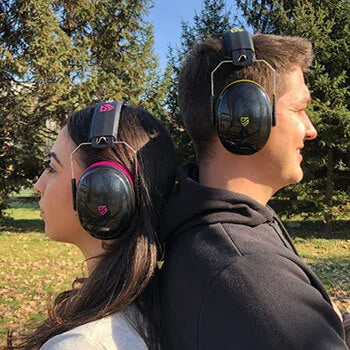
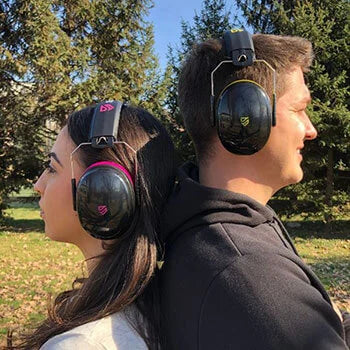
And no matter what you wear below the waist, what you wear above the neck matters most. Hearing damage from gunfire is permanent and cumulative. According to the CDC, a single gunshot produces 140 to 175 decibels depending on caliber — far above the 85 dB threshold where the National Institute for Occupational Safety and Health (NIOSH) recommends hearing protection. Research shows that recreational shooters are four times more likely to develop hearing loss than non-shooters, and approximately 40 million Americans aged 20 to 69 already live with noise-induced hearing loss according to the National Institute on Deafness and Other Communication Disorders (NIDCD).
TradeSmart Safety's shooting range kits pair NRR 28-rated earmuffs with ANSI Z87.1+ certified safety glasses in a single package, covering both your hearing and eye protection in one purchase. For shooters who want to maintain situational awareness at the range, the TacticalEdge electronic earmuffs amplify speech and range commands while automatically blocking harmful gunshot noise. Every TradeSmart kit includes a free Range Confidence Course covering firearms fundamentals, and everything ships free with a 10-year warranty.
Carry all your range gear — pants, protection, ammunition, and accessories — in TradeSmart's tactical range backpack, purpose-built for organized transport to and from the range.
Frequently Asked Questions
What is the most comfortable tactical pant for all-day range sessions?
For all-day comfort at the range, the 5.11 Apex Pants are widely considered the top choice. Their mechanical stretch canvas moves with your body without binding, and the relaxed fit through the thigh provides room for the squatting and kneeling that range sessions demand. If budget allows, the Vertx Delta Stretch 2.1 offers a similar comfort level with a more refined, low-profile look. The key comfort features to prioritize are a gusseted crotch, stretch fabric (mechanical or spandex blend), and a contoured waistband that sits comfortably under a range belt for hours.
Are expensive tactical pants worth the money over budget options?
It depends on how hard and how often you train. For casual shooters visiting the range once or twice a month, a $40 pair of CQR or Propper pants will serve you well for a year or more. For competitive shooters, instructors, or anyone training multiple days per week, the superior construction, stretch, and reinforcement of mid-range options like the 5.11 Stryke ($65–$80) pays for itself in comfort and longevity. Premium options above $200, like the Crye Precision G4, are designed for professionals who need their gear to perform flawlessly in extreme conditions — most recreational shooters will not need that level of capability.
What fabric is best for tactical pants worn at an outdoor range in summer?
A lightweight 65/35 polyester-cotton ripstop is the best choice for hot-weather range days. The high polyester content wicks moisture and dries faster than cotton-heavy blends, while the cotton component maintains breathability against the skin. Look for pants in the 5.5 to 6.5 oz/yd² weight range. Avoid pure cotton canvas, which absorbs sweat and becomes heavy and uncomfortable in heat. If maximum airflow is a priority, some pants feature mesh-lined cargo pockets and ventilation panels that help with air circulation.
Do I need tactical pants with knee pad inserts for shooting?
If you regularly shoot from kneeling or prone positions — common in competition shooting, tactical training courses, and defensive shooting drills — internal knee pad pockets are extremely valuable. Kneeling on concrete, gravel, or compacted dirt without knee protection ranges from uncomfortable to painful, and repeated impact on hard surfaces can cause long-term joint problems. If you primarily shoot from standing positions at a bench or from a standard shooting stall, knee pad compatibility is a nice-to-have rather than a necessity.
Can I wear regular cargo pants to the shooting range instead of tactical pants?
You can, and many shooters do. There is no range rule requiring tactical pants. However, tactical pants offer meaningful advantages over standard cargo pants: reinforced belt loops that support loaded range belts, gusseted crotches that allow unrestricted movement between shooting positions, ripstop fabric that resists tears from kneeling on rough surfaces, and pocket configurations designed for magazines and tools. If you are a casual shooter, regular cargo pants work fine. If you train seriously or compete, the functional differences justify the investment.
How should tactical pants fit for concealed carry at the range?
For concealed carry, look for a mid-rise waist with enough room in the waistband to accommodate an IWB (inside the waistband) holster without the pants feeling tight. The thigh area should be relaxed enough that printing is minimized but not so baggy that the excess fabric creates obvious bulges. Vertx pants are particularly well-regarded for concealed carry due to their low-profile appearance and thoughtfully placed pockets that allow quick access to backup magazines or tools. A quality gun belt paired with properly fitted tactical pants makes a significant difference in both comfort and concealment.
Bottom Line
The best tactical pants for you depend on your training frequency, your budget, and the specific demands of how you shoot. For most recreational range shooters, a mid-range option in the $50 to $100 range from 5.11 Tactical, First Tactical, or Vertx will provide the right combination of comfort, durability, and tactical features. Budget-conscious shooters can get genuine performance from CQR, Propper, or TRU-SPEC without compromising on the features that matter at the range. And for professionals who demand the absolute best, Crye Precision and UF PRO set the standard.
Whatever pants you choose, make sure you are pairing them with proper safety equipment. Your gear below the waist keeps you comfortable — your gear above the neck keeps you safe. Explore TradeSmart Safety's complete line of shooting protection kits to make sure you are covered where it counts most.



Leave a comment (all fields required)