




There is nothing worse than arriving at the range and realizing you forgot your ear protection, left your spare magazines on the kitchen counter, or did not pack enough ammo. A poorly packed range bag does not just waste your time — it can compromise your safety and the safety of everyone around you.
Whether you are a first-time shooter heading to an indoor or outdoor range or a seasoned competitor who logs hundreds of rounds a month, having a well-organized range bag is a non-negotiable part of responsible gun ownership. It is the difference between a smooth, productive session and a frustrating day of improvising.
This guide provides a comprehensive, category-by-category checklist of everything you should have in your range bag — plus advice on choosing the right bag, packing efficiently, and traveling with firearms safely.
Why a Properly Packed Range Bag Matters
A range bag is more than a duffel with guns and ammo inside. It is your portable safety station, maintenance workshop, and personal supply cache rolled into one. Here is why taking the time to pack it correctly matters:
- Safety first: Gunshots produce between 140 and 175 decibels depending on caliber, according to the National Institute for Occupational Safety and Health (NIOSH). A single exposure above 140 dB can cause immediate, permanent hearing damage. Forgetting your hearing protection is not a minor inconvenience — it is a health hazard. The same applies to eye protection, first aid supplies, and chamber flags.
- Efficiency at the range: Range time costs money. Whether you are paying by the hour or driving an hour each way to your favorite outdoor range, every minute counts. A properly organized bag means you spend more time shooting and less time digging for gear.
- Preparedness for the unexpected: A jammed firearm, a minor cut, sudden weather changes, or a fellow shooter who forgot something — when your bag is stocked and organized, you are ready for whatever the day throws at you.
- Professionalism and courtesy: Good range etiquette starts with being prepared. Showing up with the right gear signals to range officers and fellow shooters that you take the sport seriously.
The Essential Range Bag Checklist
Below is a complete checklist organized into five categories. Not every item will apply to every trip, but this gives you a master list to customize for your specific needs.

1. Safety Gear (Non-Negotiable)
This is the most important category. Do not step onto a firing line without every item on this list.
Ear protection: This is your single most critical piece of safety gear. According to the Centers for Disease Control and Prevention (CDC), approximately 40 million Americans aged 20 to 69 have noise-induced hearing loss, and recreational shooters are four times more likely to develop hearing loss than non-shooters. You need hearing protection rated with a Noise Reduction Rating (NRR) appropriate for your shooting environment.
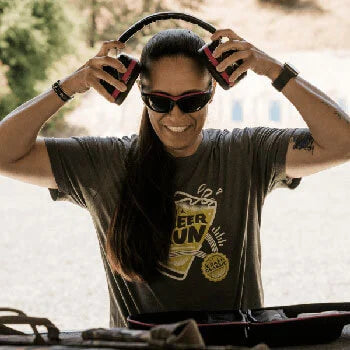
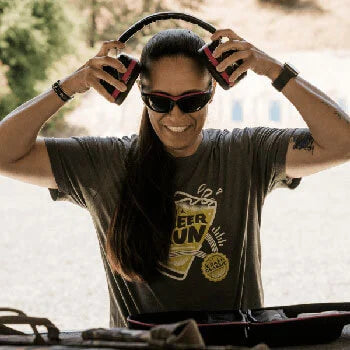
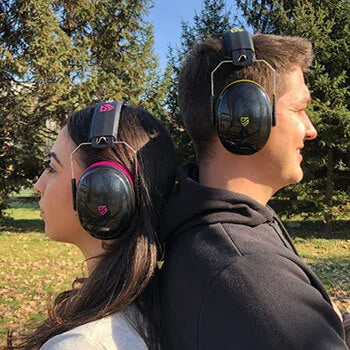
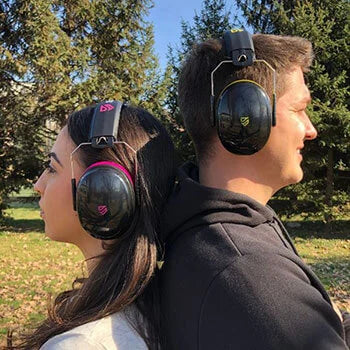
- Over-ear earmuffs (NRR 28+): The best all-around option for most shooters. Look for earmuffs with padded headbands and comfortable ear cushions, especially for longer sessions. TradeSmart Safety earmuffs carry an NRR 28 rating and are designed for extended comfort.
- Foam earplugs (NRR 33): Compact and disposable, these are excellent as a primary option for casual shooters or as a backup pair. TradeSmart's NRR 33 high-performance earplugs offer some of the highest noise reduction available. Not sure how to use them? Read our guide on how to properly insert earplugs.
- Electronic earmuffs: If you want to hear range commands and conversations while still blocking harmful impulse noise, electronic earmuffs like the TradeSmart TacticalEdge (NRR 24) use directional microphones and sound amplification to give you situational awareness without sacrificing protection. Learn more about passive vs. electronic earmuffs to decide which is right for you.
- Doubling up: For indoor ranges or high-caliber firearms, NIOSH recommends wearing both earplugs and earmuffs together. This combination can achieve an effective NRR of approximately 36, which is critical when exposure regularly exceeds 160 dB.
Eye protection: Flying brass, powder residue, and ricochets are all real hazards at the range. Your shooting glasses must meet ANSI Z87.1+ certification, which requires lenses to withstand a quarter-inch steel ball traveling at 150 feet per second. Standard sunglasses will not cut it.
- Clear lenses for indoor ranges or low-light conditions
- Tinted or amber lenses for outdoor ranges and bright conditions
- Anti-fog coating to maintain visibility, especially at indoor ranges where temperature differences cause fogging — see our tips on how to keep safety glasses from fogging up
TradeSmart's shooting range kits include both ANSI Z87.1+ certified safety glasses and NRR 28 earmuffs in one package, so you never have to worry about forgetting either piece of essential protection.
First aid and trauma kit: Every range bag should carry basic medical supplies. Accidents at the range are rare but real, and having supplies on hand can make the difference between a minor incident and a serious one.
- Tourniquet (CAT or SOFTT-W recommended)
- Hemostatic gauze (QuikClot or equivalent)
- Chest seal (for puncture wounds)
- Adhesive bandages and gauze pads
- Medical tape
- Nitrile gloves
- Antiseptic wipes
Note the difference between a standard first aid kit and a trauma kit. A first aid kit handles minor cuts and scrapes. A trauma kit is designed for serious injuries like puncture wounds and severe bleeding. Ideally, your range bag should include components of both.
2. Firearms, Ammunition, and Accessories
This is the core of your range bag. Pack carefully and verify everything before you leave home.
Firearms:
- Unloaded firearms, verified clear before packing
- Chamber flags or empty chamber indicators inserted in each firearm — these bright-colored plastic flags visibly indicate an unloaded firearm and are required at many ranges
- Firearms stored in individual soft cases or sleeves to prevent scratching
Ammunition:
- Factory ammunition appropriate for your firearms and the range's rules (many indoor ranges prohibit steel-core, armor-piercing, incendiary, and tracer rounds)
- Bring more than you think you need — a box of 50 rounds goes faster than most people expect, especially when zeroing a new optic or working on drills
- Store ammunition in its original packaging or in clearly labeled ammo boxes
- Keep ammunition separated from firearms during transport
Magazines and speed loaders:
- At minimum, bring two to three loaded magazines per firearm — this saves significant time versus reloading a single magazine repeatedly
- Speed loaders or stripper clips for faster magazine loading
- Magazine pouches to keep loaded magazines organized and accessible
Holster: If you are practicing draw-and-fire drills or working on your concealed carry technique, bring a proper holster that covers the trigger guard and retains the firearm securely.
3. Cleaning and Maintenance Supplies
Firearms generate fouling, carbon buildup, and residue with every shot. While you do not need to do a full cleaning at the range, having basic maintenance supplies lets you handle jams, clear malfunctions, and do a quick wipe-down after your session. For a deeper dive, read our guide on the first step in cleaning a firearm.
- Bore snake: The fastest way to run a quick cleaning pass through your barrel between strings of fire or at the end of a session. Carry one for each caliber you are shooting.
- Gun oil or CLP (Clean, Lubricate, Protect): A small bottle is all you need. Apply to contact points, rails, and the bore to prevent corrosion and keep things running smoothly.
- Cleaning patches and a small cloth: For wiping down surfaces, cleaning excess oil, and removing carbon from the bolt face and chamber.
- Multi-tool or armorer's wrench: Invaluable for tightening loose scope mounts, adjusting sights, or handling minor gunsmithing tasks on the spot.
- Brass brush or nylon brush: For scrubbing stubborn carbon deposits from the chamber and bolt carrier group.
- Lead removal wipes: Lead residue accumulates on your hands when handling ammunition and firearms. These specialized wipes remove lead, copper, and other heavy metals from your skin — important because lead exposure through skin absorption is a real occupational hazard for regular shooters.
4. Personal Items and Comfort Supplies
A range session can last anywhere from 30 minutes to several hours. Staying hydrated, comfortable, and prepared for conditions will directly improve your shooting performance.
- Water: Dehydration affects concentration, reaction time, and fine motor skills — all critical for safe, accurate shooting. Bring at least one full water bottle and sip regularly.
- Snacks: Protein bars, trail mix, or similar high-energy snacks. Low blood sugar leads to shaky hands and poor focus. Eat before you shoot, not during — always wash your hands before eating to avoid ingesting lead residue.
- Sunscreen (SPF 30+): Essential for outdoor ranges. A sunburn sets in faster than most people realize, especially at high-altitude ranges or during summer months.
- Hat with a brim: Protects your face from sun and helps deflect hot brass ejected from nearby shooters. TradeSmart's American flag hat is a solid choice that does double duty for style and function.
- Microfiber towel: For wiping down sweaty hands (which affect grip), cleaning lenses, or drying gear in wet conditions.
- Shooting gloves: Optional but useful, especially in cold weather or when shooting high volumes. They protect against hot barrels and improve grip.
- Rain jacket (packable): For outdoor ranges, a lightweight rain shell stuffed into your bag takes up minimal space and saves you from an early trip home when weather turns.
- Bug spray: If you shoot at outdoor ranges in warmer months, mosquitoes and ticks are more than an annoyance — they are a health risk.
- Permanent marker and tape: For marking targets, numbering magazines, or writing notes on your shooting log.
5. Documents and Administrative Items
Many ranges require documentation before you are allowed on the firing line. Forgetting these can end your range trip before it starts.
- Government-issued photo ID: Required at virtually every commercial range in the United States.
- Range membership card: If you belong to a private range or club.
- Concealed carry permit (CCW/CHL): If you have one, carry it. Some ranges offer discounts to CCW holders, and you should always have it on your person when carrying.
- Firearms registration documents: Some states require proof of ownership or registration. Know your local laws.
- Range waiver: Many commercial ranges require a signed liability waiver. Some allow you to complete it online ahead of time — check the range's website before you go.
- Shooting log or notebook: Serious shooters track round counts, zero data, group sizes, and drill times. A small waterproof notebook in your bag costs nothing and pays dividends in long-term improvement.
Choosing the Right Range Bag
Not all range bags are created equal. The right bag depends on how much gear you carry, what firearms you shoot, and how you get to the range.
Size and Capacity
- Compact bags (pistol-only): If you typically bring one or two handguns and a few hundred rounds, a compact pistol range bag with padded dividers is all you need. These usually run 12 to 16 inches wide.
- Medium bags: For shooters who bring multiple handguns, extra magazines, and full cleaning kits. Look for bags in the 18 to 24 inch range with multiple compartments.
- Tactical backpacks: The most versatile option for shooters who carry a full loadout including long guns, multiple handguns, ammunition, and all the accessories on this checklist. A well-designed tactical backpack distributes weight across your shoulders and hips, freeing your hands and reducing fatigue.
Organization and Features
Look for these features when evaluating range bags:
- MOLLE webbing: Modular Lightweight Load-carrying Equipment webbing lets you attach pouches, holsters, and accessories externally, expanding your bag's capacity without adding bulk.
- Padded compartments: Separate, padded sections for firearms prevent scratching and keep things secure during transport.
- Reinforced bottom: Range floors are concrete, gravel, or dirt. A reinforced base prevents wear and keeps the bag stable when set down.
- Multiple access points: Bags with side zippers, top-loading compartments, and front pockets let you access gear quickly without unpacking everything.
- Water-resistant material: Not waterproof necessarily, but enough to protect gear from light rain, morning dew at outdoor ranges, or accidental spills.
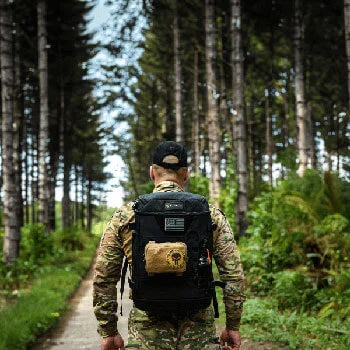
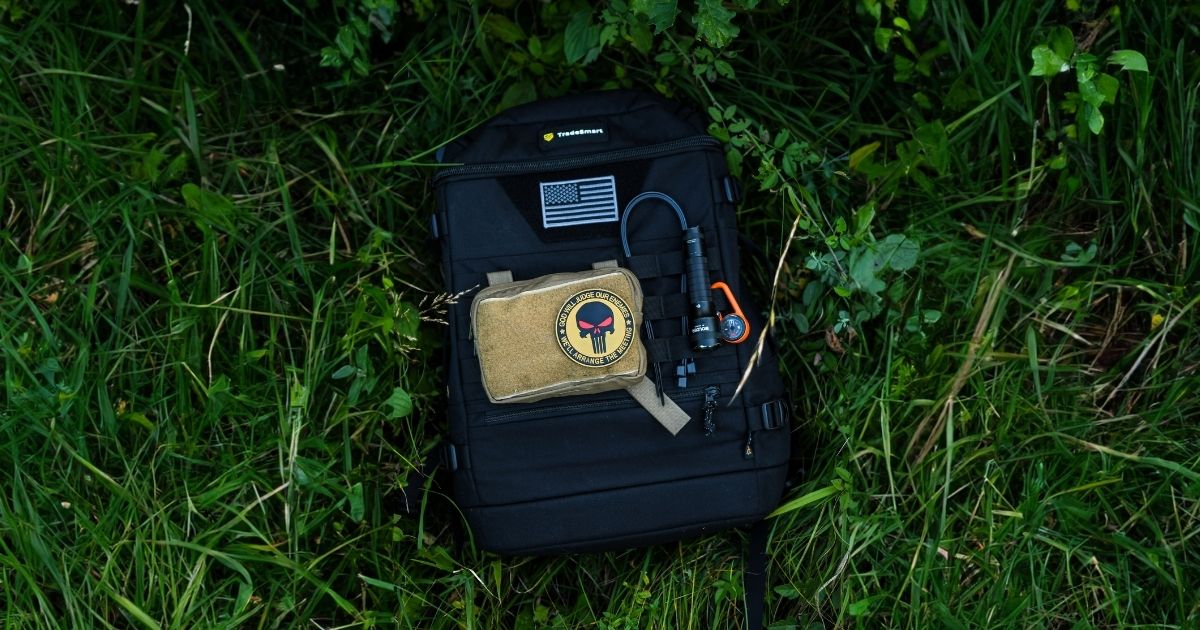
The TradeSmart Tactical Range Backpack was designed specifically with range days in mind. It features MOLLE webbing, multiple organized compartments, reinforced construction, and enough capacity to hold your complete range setup — from firearms and ammo to safety gear and personal items.
TSA Regulations for Traveling With Firearms
If you travel to ranges, competitions, or hunting destinations that require air travel, you need to understand TSA regulations:
- Firearms must be unloaded and locked in a hard-sided container — transported only in checked baggage, never in carry-on.
- Declare every firearm to the airline at check-in each time you fly.
- Ammunition must be in its original packaging or securely boxed. TSA permits up to 11 pounds of small arms ammunition (not exceeding .75 caliber) in checked luggage.
- Loaded magazines must be securely boxed or placed within the hard-sided case containing the unloaded firearm.
- Only you should retain the key or combination to the lock. TSA personnel may ask you to open the container for inspection.
- Check state and local laws for both your departure and destination. Firearms laws vary dramatically between states, and compliance is your responsibility.
- Check airline policies in addition to TSA requirements, as individual airlines may have additional restrictions or fees.
For driving to the range, follow your state's transport laws. In most states, firearms should be unloaded, cased, and stored in the trunk or a locked container separate from ammunition.
TradeSmart Safety Gear for Your Range Bag
Building a range bag is about assembling reliable gear you can trust. TradeSmart Safety specializes in the two most critical categories — hearing and eye protection — with products that carry the certifications, comfort, and durability that serious shooters demand.
Shooting Range Protection Kits
TradeSmart's shooting range kits bundle everything you need for hearing and eye protection into a single package:
- NRR 28 over-ear earmuffs with padded headband for all-day comfort
- ANSI Z87.1+ certified safety glasses with impact-resistant polycarbonate lenses and anti-fog coating
- NRR 33 foam earplugs for doubling up or as a backup
- Hard-shell protective carrying case to keep your gear safe in your range bag
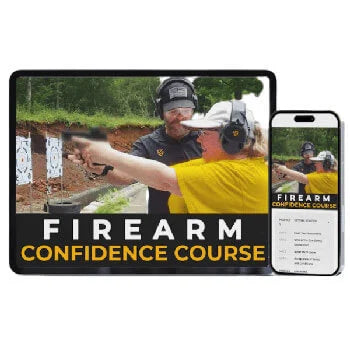
- Free Range Confidence Course — an online firearms fundamentals course included with every kit
For shooters who want both indoor and outdoor lens options, the Premium kit with clear and tinted glasses covers all lighting conditions. And if you prefer electronic hearing protection, the Electronic Ear and Eye Protection kit combines TacticalEdge electronic earmuffs with ANSI-rated safety glasses.
Every TradeSmart product comes with a 10-year warranty and free shipping, backed by a 4.6-star rating on Trustpilot. When you are trusting gear to protect your hearing and vision, that kind of track record matters.
Tactical Range Backpack
Pair your protection kit with the TradeSmart Tactical Range Backpack and you have the foundation of a range bag built for real-world use. Designed for shooters by shooters, it gives you the organized storage, durability, and carrying comfort you need for any range day.
Quick-Reference Printable Checklist
Keep this list on your phone or print it out and tape it inside your range bag. Before every range trip, run through it:
Safety Gear
- Ear protection (earmuffs and/or earplugs)
- Eye protection (ANSI Z87.1+ rated)
- First aid kit / trauma kit
- Chamber flags
Firearms and Ammo
- Firearms (unloaded, verified clear)
- Ammunition (sufficient quantity, range-approved type)
- Loaded magazines (2-3 per firearm minimum)
- Speed loader
- Holster (if applicable)
Cleaning and Maintenance
- Bore snake (per caliber)
- Gun oil / CLP
- Cleaning patches and cloth
- Multi-tool
- Lead removal wipes
Personal Items
- Water bottle
- Snacks
- Sunscreen
- Hat
- Towel
- Shooting gloves (optional)
- Rain jacket (outdoor ranges)
Documents
- Photo ID
- Range membership card
- CCW permit
- Signed waiver (if required)
- Shooting log
Frequently Asked Questions
What should I bring to a gun range for the first time?
At minimum, bring hearing protection (earmuffs rated NRR 28 or higher), ANSI Z87.1+ certified eye protection, your firearm, ammunition, a government-issued photo ID, and water. If you do not own safety gear yet, a TradeSmart shooting range kit includes earmuffs, safety glasses, earplugs, and a carrying case in one package. Read our full guide on what to wear to a gun range for additional first-timer advice.
How much ammunition should I bring to the range?
For a typical one- to two-hour handgun session, plan on 150 to 200 rounds minimum. If you are zeroing a new optic, practicing drills, or shooting multiple firearms, 300 or more rounds is not uncommon. It is always better to bring ammunition home than to run out early.
Do I need both earplugs and earmuffs at the range?
For outdoor ranges with lower-caliber firearms, quality earmuffs alone (NRR 28) typically provide sufficient protection. However, for indoor ranges — where sound reverberates off walls and ceiling — or when shooting high-caliber firearms that produce 160+ dB, doubling up with both earplugs and earmuffs is strongly recommended by NIOSH. This combination can achieve an effective NRR of approximately 36.
Can I bring my own ammunition to a gun range?
Most ranges allow you to bring your own factory-loaded ammunition. However, many indoor ranges prohibit certain types including steel-core, steel-cased, armor-piercing, tracer, and reloaded or hand-loaded ammunition. Always check with your specific range before you go, as policies vary widely.
What is the best type of range bag for beginners?
Beginners who shoot one or two handguns should start with a medium-sized bag with at least four to five compartments for separating firearms, ammunition, safety gear, and personal items. As your collection and gear grow, a tactical backpack offers more capacity and better weight distribution. The key features to look for are padded firearm compartments, durable construction, and enough pockets to stay organized.
How should I transport firearms to the range in my car?
In most states, firearms should be unloaded, cased, and stored in the trunk or a locked container during transport. Ammunition should be stored separately from firearms. Always insert chamber flags or empty chamber indicators for added safety. Check your specific state laws, as transport requirements vary — some states require firearms to be in a locked container in the trunk, while others have less restrictive rules for permit holders.
Build Your Range Bag With Confidence
A well-packed range bag is the foundation of a safe, efficient, and enjoyable day at the range. It reflects the same discipline and preparation that defines responsible gun ownership. Start with the non-negotiables — quality hearing protection, certified eye protection, and proper ammunition storage — then build outward based on your shooting style and needs.
TradeSmart Safety makes it easy to cover the most critical items on this checklist. Explore our shooting range protection kits, tactical backpack, and electronic earmuffs to build a range bag backed by a 10-year warranty, free shipping, and the confidence that comes from American-certified safety gear.




Leave a comment (all fields required)