









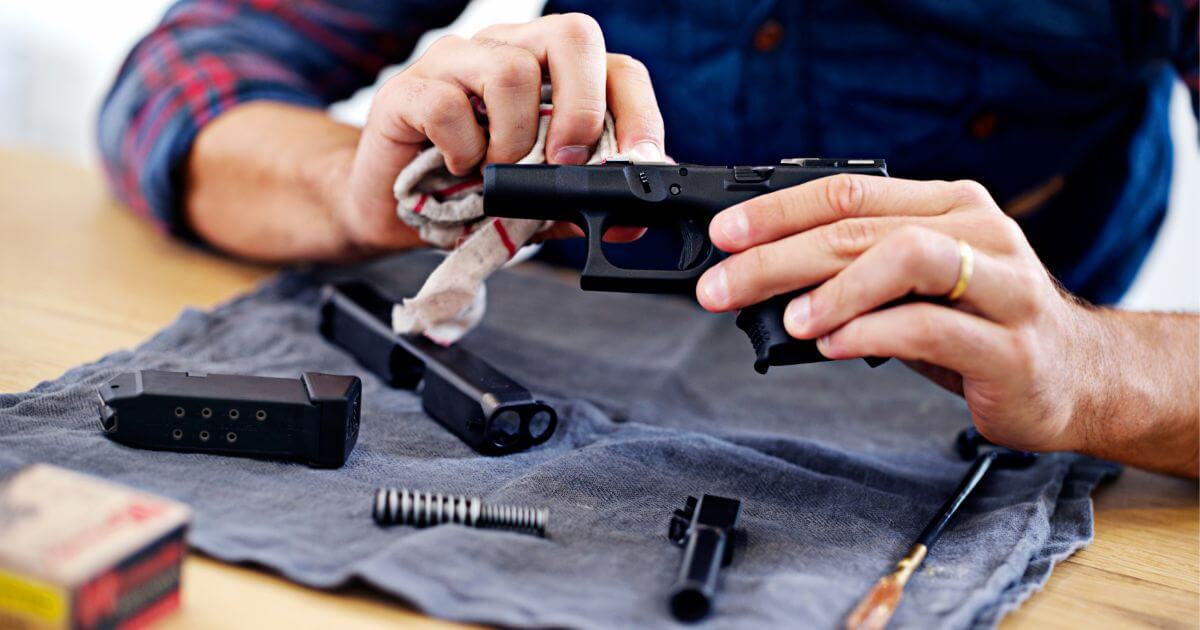

Gun Cleaning Kits: The Complete Guide for 2026
A reliable firearm starts with consistent maintenance, and consistent maintenance starts with the right gun cleaning kit. Whether you own a single handgun for home defense or a full cabinet of rifles and shotguns, having the proper tools on hand is non-negotiable. Neglecting routine cleaning leads to carbon fouling, copper deposits, corrosion, and eventually malfunctions that compromise both accuracy and safety.
This guide covers everything you need to know about gun cleaning kits in 2026: what components belong in a complete kit, how to choose between universal and caliber-specific options, the differences between brush materials, top kit recommendations across every budget, and specialty tools that can elevate your cleaning routine. If you are new to firearms ownership, pair this guide with our walkthrough on what is the first step in cleaning a firearm for a full foundation.
What Is in a Complete Gun Cleaning Kit?
A well-stocked gun cleaning kit eliminates guesswork from firearm maintenance. Here are the core components you should expect in any quality kit, and what each one does.
Cleaning Rods
The cleaning rod is arguably the most important tool in your kit. It serves as the backbone for pushing brushes, jags, and patches through the bore. Rods come in one-piece and multi-section designs. One-piece rods offer superior rigidity and reduce the risk of barrel contact at joints, while multi-section rods break down for compact storage and field use.
Look for kits that include rods in multiple lengths to accommodate handguns, rifles, and shotguns. The best kits provide rods in materials that will not damage your bore, such as brass, coated steel, or carbon fiber.
Bore Brushes
Bore brushes are the workhorses of carbon and copper removal. These small, cylindrical brushes attach to the end of your cleaning rod and scrub the interior of the barrel as you push or pull them through. A complete kit should include brushes sized for the calibers you shoot most frequently, typically ranging from .22 to .45 for handguns and .223 to .308 for rifles.
Jags and Patch Holders
Jags are small, pointed attachments that hold a cleaning patch against the bore walls as you push the rod through. They provide full 360-degree contact between the patch and the barrel, ensuring thorough solvent application and fouling removal. Slotted patch holders are the alternative: they grip the patch through a slot rather than impaling it. Both work, but jags generally provide a tighter, more effective fit.
Cleaning Patches
Cotton cleaning patches are disposable squares of absorbent material that you soak with solvent and push through the bore using a jag or patch holder. You will go through a lot of these during a proper cleaning session. Stock up on patches sized for your calibers, and keep running clean patches through the bore until they come out white.
Bore Snake
A bore snake is a pull-through cleaning device that combines a weighted cord, an integrated bronze brush section, and a fabric cleaning surface into a single tool. One pass through the barrel provides a basic cleaning that would take multiple passes with a rod and brush. Bore snakes are indispensable for range bag essentials and field use where a full cleaning rod setup is impractical.
Gun Cleaning Solvent
Solvent is the chemical that does the heavy lifting. It dissolves carbon buildup, powder residue, and copper fouling that accumulates inside the barrel and action after firing. Common options include Hoppe's No. 9, Break-Free CLP, and Ballistol. Some solvents are formulated specifically for copper removal, while others are all-purpose cleaners. Always use solvent in a well-ventilated area.
Gun Oil and Lubricant
After cleaning, lubrication protects metal surfaces from corrosion and ensures smooth mechanical operation. Gun oil is applied to the bore, slide rails, barrel hood, trigger mechanism, and any other metal-on-metal contact points. Some products combine cleaning solvent and lubricant into a single CLP (Clean, Lubricate, Protect) formula, which simplifies the process for everyday maintenance.
Utility Brushes
Double-ended nylon and brass utility brushes handle the areas your bore brush cannot reach: the bolt face, feed ramp, trigger group, and frame rails. A good kit includes at least two general-purpose brushes for scrubbing external surfaces and hard-to-reach crevices where carbon accumulates.
Cleaning Mat
A padded, solvent-resistant cleaning mat protects your work surface from chemicals and prevents small parts from rolling away. We cover cleaning mats in detail later in this guide, but any serious kit should include or be paired with one.
Universal vs. Caliber-Specific Gun Cleaning Kits
One of the first decisions you will face is whether to buy a universal kit or a caliber-specific one. Each approach has clear advantages.
Universal Kits
Universal gun cleaning kits include components for multiple calibers, typically covering .22 through .45 for handguns and rifles, plus 12-gauge and 20-gauge for shotguns. These kits are the best value for shooters who own firearms in multiple calibers. They come with a range of bore brushes, jags, and adapters that let you clean virtually any standard firearm with a single purchase.
Best for: Shooters who own multiple firearms, beginners building their first collection, and anyone who wants a single kit that covers all the bases.
Caliber-Specific Kits
Caliber-specific kits are tailored to a single firearm type or caliber. An AR-15 cleaning kit, for example, will include components sized for .223/5.56mm, plus specialized tools like a chamber brush, bolt carrier group scraper, and star chamber tool that you will not find in a universal kit. Similarly, a dedicated shotgun kit will include oversized bore mops and brushes.
Best for: Shooters who want the most thorough clean possible for a specific firearm, competitive shooters, and owners of specialized platforms like AR-15s or precision rifles.
The Practical Approach
Most experienced shooters end up with both. Start with a quality universal kit to cover your bases, then add caliber-specific tools as your collection grows and your cleaning needs become more refined.
Brush Materials: Brass vs. Nylon vs. Stainless Steel
The material of your bore brushes matters more than most shooters realize. Each has a specific role, and using the wrong one can either leave fouling behind or damage your barrel.
Brass Brushes
Brass is the standard bore brush material and the best all-around choice for routine cleaning. Brass is softer than the steel in your barrel, so it effectively scrubs away carbon and powder fouling without scratching or damaging the bore's rifling. Brass brushes are aggressive enough for regular maintenance and are included in the vast majority of quality cleaning kits.
Best for: General-purpose cleaning after range sessions. This is the brush you will reach for 90% of the time.
Nylon Brushes
Nylon brushes are the gentlest option. They are ideal for applying solvent without abrading the bore, cleaning polymer-framed handguns, and scrubbing finishes that are prone to scratching. Nylon bristles will not remove heavy carbon or copper deposits on their own, but they are excellent for light maintenance and for use with aggressive solvents that do the chemical work.
Best for: Light cleaning, solvent application, cleaning polymer or coated surfaces, and delicate finishes.
Stainless Steel Brushes
Stainless steel brushes are the most aggressive option and should be used sparingly. Because stainless steel contains nickel and is harder than many barrel steels, it can mar the bore, chamber, or crown if used carelessly. Reserve stainless steel brushes for removing stubborn lead deposits in revolvers or heavy carbon buildup in neglected firearms. They should never be your everyday brush.
Best for: Heavy-duty cleaning of severely fouled barrels, lead removal in revolvers, and last-resort scrubbing. Use with caution.
Top Gun Cleaning Kits by Category
The market for gun cleaning kits has expanded significantly. Here are the top recommendations for 2026, organized by budget and use case.
Best Budget Gun Cleaning Kit
Allen Company Universal Gun Cleaning Kit
For shooters who need reliable cleaning tools without a premium price tag, the Allen Company Universal Kit covers handguns, rifles, and shotguns across common calibers. It includes brass cleaning rods, bore brushes, jags, slotted tips, and patches in a compact carrying case. It lacks solvents and lubricants, so you will need to purchase those separately, but the tools themselves are solid for the price.
Why it works: Covers the widest range of calibers for the lowest investment. Ideal for beginner handgun owners who are still learning their cleaning routine.
Best Mid-Range Gun Cleaning Kit
Real Avid Gun Boss Pro Universal Cleaning Kit
The Gun Boss Pro steps up with higher-quality brass components, a wider range of caliber-specific brushes, and a more organized carrying case with dedicated compartments for solvents and oils. It includes everything you need for handguns, rifles, and shotguns in calibers from .22 to 12-gauge. The addition of a T-handle driver with bits for scope adjustment and stock tightening adds practical value.
Why it works: Best balance of quality, completeness, and price. Suitable for regular shooters who clean their firearms after every range trip.
Best Premium Gun Cleaning Kit
Otis Elite Cleaning System
The Otis Elite is the gold standard for shooters who demand comprehensive, no-compromise cleaning. It covers over 40 calibers using Otis's flexible Memory-Flex cables that clean from breech to muzzle without disassembly. The kit includes bronze bore brushes, obstruction removers, T-handles, specialized scrapers, and a detailed cleaning guide. Everything packs into a rugged, organized soft case.
Why it works: Professional-grade coverage for virtually every caliber. The breech-to-muzzle cleaning design follows best practices and eliminates the risk of muzzle crown damage. Worth the investment for serious shooters and collectors.
Best Field Cleaning Kit
Hoppe's BoreSnake Soft-Sided Cleaning Kit
When you need to clean in the field, at the range, or on a hunting trip, the Hoppe's BoreSnake field kit delivers fast, effective bore cleaning in a compact package. It centers around the BoreSnake pull-through device and includes a small bottle of Hoppe's No. 9 solvent and lubricating oil. It will not replace a full cleaning at home, but it handles post-shoot bore maintenance better than anything else its size.
Why it works: Fits in a range bag or hunting pack. One pull of the BoreSnake removes more fouling than multiple passes with a traditional rod and brush. Essential for anyone who packs their range bag essentials thoughtfully.
Specialty Cleaning Products Worth Adding
Beyond the basics in a standard kit, several specialty products can significantly improve your cleaning results and efficiency.
Bore Snakes
Even if your primary kit uses cleaning rods, you should own at least one bore snake for each caliber you shoot regularly. A bore snake combines a bronze brush section and a fabric cleaning surface into one pull-through device. With a single pass, it provides substantial surface area attacking contaminants in one swipe compared to multiple passes with a traditional rod and brush.
The trade-off is precision. With a bore snake, you have less control over pressure and cannot focus on specific trouble spots the way you can with a rod. Bore snakes are ideal for quick field cleanings and post-range maintenance, while rods remain the better tool for deep, thorough cleaning sessions at home.
Key point: Always clean your bore snake after each use. A dirty bore snake reintroduces fouling into the barrel, undermining its purpose.
Carbon Fiber Cleaning Rods
Carbon fiber rods represent a meaningful upgrade over brass or coated steel rods. Their non-metallic construction means they cannot introduce foreign metal particles into the bore, preserving the barrel's rifling over thousands of cleaning cycles. Carbon fiber rods are also lighter, more rigid than multi-section metal rods, and will not bend or develop weak points at joints.
Many carbon fiber rods feature ergonomic handles with ball-bearing swivels that allow the rod to rotate naturally with the rifling as it passes through the bore. This reduces stress on the crown and ensures the brush follows the lands and grooves correctly.
Recommended for: Precision rifle shooters, competitive shooters, and anyone who cleans frequently and wants to minimize long-term bore wear.
Ultrasonic Cleaners
Ultrasonic cleaners use high-frequency sound waves to generate microscopic cavitation bubbles in a cleaning solution. When these bubbles collapse, they release tiny bursts of energy that dislodge carbon, powder residue, and fouling from every surface of a submerged part, including areas that are nearly impossible to reach with brushes or patches.
Ultrasonic cleaning is particularly effective for small, complex parts like triggers, bolt assemblies, and magazine internals. The process typically takes just a few minutes and delivers results that surpass manual cleaning in both thoroughness and consistency. After ultrasonic cleaning, parts must be thoroughly dried and lubricated, as the process strips all existing oil.
Best for: Gunsmiths, high-volume shooters, and anyone who wants the deepest possible clean for action parts and small components. Note that ultrasonic cleaners complement, rather than replace, manual bore cleaning.
Gun Cleaning Mat Recommendations
A dedicated gun cleaning mat is one of those purchases that seems optional until you ruin a kitchen table with solvent stains. A proper mat protects your work surface, cushions your firearm, and keeps small parts organized during disassembly.
What to Look For in a Cleaning Mat
- Solvent and oil resistance: The mat's surface should repel cleaning chemicals rather than absorbing them. Solvents should sit on the surface for easy wipe-up, not seep through to your table or workbench.
- Padded surface: A minimum of 3mm of padding cushions your firearm, preventing cosmetic dings and scratches during disassembly. The padding also dampens the sound of parts clattering on the surface.
- Non-slip backing: A rubberized underside prevents the mat from sliding around while you work.
- Size: For handguns, a mat measuring approximately 16 by 10 inches is sufficient. For rifles and shotguns, look for mats at least 36 by 12 inches to accommodate the full length of the firearm plus room for parts and tools.
- Diagram printing: Many mats feature exploded-view diagrams of specific firearms, showing every part and its name. These are extremely helpful during reassembly, especially for newer shooters.
Top Cleaning Mat Picks
TekMat Gun Cleaning Mats are the industry standard. They offer solvent-resistant surfaces, padded neoprene construction, and firearm-specific diagrams for hundreds of models. Available in handgun and rifle sizes.
Real Avid Universal Smart Mat features a built-in parts tray with a magnetic base that keeps pins, springs, and screws from disappearing during disassembly. The oil and solvent-resistant surface cleans up easily.
Cerus Gear ProMat series offers high-resolution diagrams with a focus on durability. The surface handles repeated solvent exposure without degrading, and the mats roll up compactly for storage or transport in a range bag.
Storing Your Gun Cleaning Kit
Proper storage of your cleaning supplies extends their life and keeps everything organized for efficient cleaning sessions.
Kit Organization
- Hard cases with compartments: The best kits come in organized cases with dedicated slots for rods, brushes, and jags. If your kit came in a zipper bag, consider upgrading to a rigid case that protects your tools and keeps them sorted by caliber.
- Separate solvents from tools: Store bottles of solvent and lubricant upright in a separate compartment or bag to prevent leaks from contaminating your brushes and patches.
- Replace worn components: Bore brushes lose their effectiveness after repeated use as bristles flatten and spread. Replace brass brushes when they no longer provide resistance in the bore. Patches are single-use by design.
Storage Environment
- Store your kit in a cool, dry location away from extreme heat or cold.
- Keep solvent bottles sealed tightly to prevent evaporation and maintain chemical potency.
- If you store cleaning supplies in the same safe or cabinet as your firearms, ensure solvents are tightly sealed to prevent vapor exposure to blued or coated finishes.
Building Your Cleaning Kit: A Practical Checklist
Whether you buy a pre-assembled kit or build your own component by component, here is what a complete gun cleaning setup should include:
- Cleaning rods (sized for your calibers, one-piece preferred for home use)
- Bore brushes (brass for routine cleaning, nylon for solvent application)
- Jags or slotted patch holders (caliber-matched)
- Cotton cleaning patches (bulk supply in the correct sizes)
- Bore snake (one per caliber for field and range use)
- Gun cleaning solvent (Hoppe's No. 9, Break-Free CLP, or equivalent)
- Gun oil or lubricant (separate from solvent for best results)
- Utility brushes (nylon and brass, double-ended)
- Cleaning mat (padded, solvent-resistant)
- Carrying case or storage container
- Microfiber cloths for wiping down exterior surfaces
And while you are building out your range setup, do not overlook the gear that protects you. Hearing protection and eye protection are just as essential as a clean firearm. TradeSmart Safety's shooting ear and eye protection kits pair NRR 28 earmuffs with ANSI Z87.1+ safety glasses, giving you certified protection in a single package with a 10-year warranty and free shipping.
Frequently Asked Questions About Gun Cleaning Kits
What is the first step before cleaning any firearm?
The first step is always to verify the firearm is unloaded. Point the muzzle in a safe direction, remove the magazine, lock the action open, and visually and physically inspect the chamber to confirm it is empty. Perform this safety check multiple times before you begin any cleaning work. For a complete walkthrough, see our guide on the first step in cleaning a firearm.
How often should I clean my gun?
Clean your firearm after every range session or shooting outing. Firearms that are carried daily for self-defense should be cleaned at least once a month, even if they have not been fired, to remove dust, lint, and body oils. Stored firearms should be inspected and lightly lubricated quarterly. Firearms exposed to moisture, humidity, or corrosive ammunition should be cleaned immediately after use to prevent rust and pitting.
Is a universal gun cleaning kit good enough, or do I need caliber-specific tools?
A quality universal kit is an excellent starting point and will handle routine cleaning for most shooters. However, if you own specialized platforms like an AR-15, a precision bolt-action rifle, or a shotgun, adding a caliber-specific kit gives you tools designed for those particular firearms, such as chamber brushes, bolt scrapers, and correctly sized bore mops. Most experienced shooters use both.
Should I use a bore snake or a cleaning rod?
Both serve different purposes and ideally you should own both. A cleaning rod with bore brush provides the most thorough, controlled clean, allowing you to focus on specific areas of the barrel and make multiple passes with fresh solvent. A bore snake is faster and more portable, making it ideal for field use and quick post-range cleanings. For the deepest clean, use a rod at home. For maintenance at the range or in the field, a bore snake is the right call.
What kind of ammunition residue does cleaning remove?
Cleaning removes several types of residue that accumulate with each shot. Carbon fouling is the most common, deposited by the burning powder gases. Copper fouling comes from the bullet jacket material being deposited in the rifling grooves. Lead fouling occurs primarily with unjacketed lead bullets. Powder residue and primer salts also accumulate in the action and chamber. Left unaddressed, these residues degrade accuracy, cause malfunctions, and can lead to corrosion. Using quality ammunition from reputable brands can reduce but not eliminate fouling.
Can I damage my barrel by cleaning it too often?
It is possible but unlikely if you use proper technique and the right materials. Damage typically occurs from using stainless steel brushes on a routine basis, cleaning from the muzzle end without a bore guide (which can wear the crown), or using overly aggressive solvents left in the bore for extended periods. Brass brushes, carbon fiber rods, and cleaning from breech to muzzle following the bullet's path will not damage your barrel even with frequent cleaning.
Keep Your Firearms Clean, and Keep Yourself Protected
Maintaining your firearms with the right cleaning kit ensures reliability, accuracy, and longevity. But maintenance does not stop at the gun itself. Every time you head to the range, make sure you are protecting your hearing and vision with the same diligence you bring to your cleaning routine.
TradeSmart Safety's shooting ear and eye protection kits come with NRR 28 earmuffs, ANSI Z87.1+ safety glasses, a protective carrying case, and a free Range Confidence Course to sharpen your fundamentals. Every order ships free, and every product is backed by a 10-year warranty.





Leave a comment (all fields required)