



Best Concealed Carry Holster: A Comprehensive Guide for 2026
Choosing the right concealed carry holster is one of the most consequential decisions you will make as a gun owner. Your firearm is only as effective as your ability to carry it safely, access it quickly, and conceal it reliably throughout your day. Yet many carriers spend hours researching their handgun and barely ten minutes selecting their holster.
According to the Crime Prevention Research Center, over 20.8 million Americans hold concealed carry permits as of 2025, and with 29 states now operating under constitutional carry laws, that number only tells part of the story. Whether you are a first-time carrier or a seasoned veteran looking to upgrade your setup, this guide covers everything you need to know: holster types, materials, retention levels, key adjustment features, body-type considerations, and our top holster recommendations by category.
If you are still deciding on the right firearm for concealed carry, start with our guide on the best concealed carry guns before selecting your holster.
Concealed Carry Holster Types Explained
Not all holsters are created equal, and the type you choose will define your daily carry experience. Each carry position offers distinct advantages and trade-offs in concealment, comfort, draw speed, and accessibility. Here is a breakdown of the five most common holster types used for concealed carry.
IWB (Inside the Waistband) Holsters
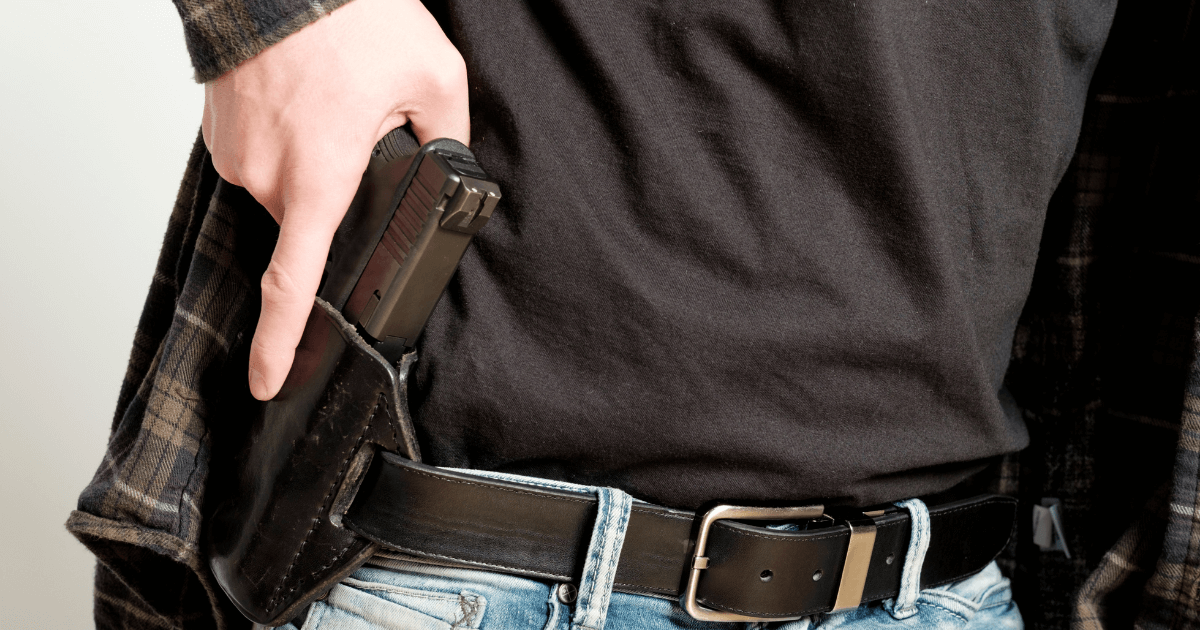
IWB holsters are the most popular choice among concealed carriers, and for good reason. The holster sits between your pants and your body, held in place by clips or loops attached to your belt. This positions the firearm inside your clothing line, providing excellent concealment even under a simple t-shirt.
Advantages:
- Superior concealment compared to most other carry methods
- Works well with a wide range of body types and clothing styles
- Secure and stable when paired with a quality gun belt
- Available in virtually every material and price point
- Strong-side IWB (typically at the 3 to 5 o'clock position) offers a natural, intuitive draw stroke
Disadvantages:
- Requires pants with slightly larger waistband to accommodate the holster
- Can feel warm and create perspiration against the skin, particularly in hot climates
- Initial break-in period for comfort, especially with leather models
Best for: Everyday concealed carry in most climates and body types. The default choice for most carriers.
Appendix Carry (AIWB) Holsters
Appendix inside the waistband (AIWB) carry positions the firearm at the front of your body, typically between the 12 and 2 o'clock positions. This method has surged in popularity over the past several years due to its combination of speed, concealment, and accessibility.
Advantages:
- Fastest draw time of any concealed carry position
- Excellent concealment, especially for compact and subcompact firearms
- Allows you to maintain visual and physical contact with your firearm at all times
- Can be drawn with either hand in an emergency
- Natural defense position — easy to protect the firearm during a physical confrontation
Disadvantages:
- Can be uncomfortable when sitting for extended periods, especially with larger firearms
- Points the muzzle toward sensitive anatomy, requiring strict safety discipline
- Less comfortable for individuals with a larger midsection
- Requires dedicated training to draw safely and efficiently
Best for: Experienced carriers who prioritize draw speed and deep concealment. Particularly effective for slim to average body types.
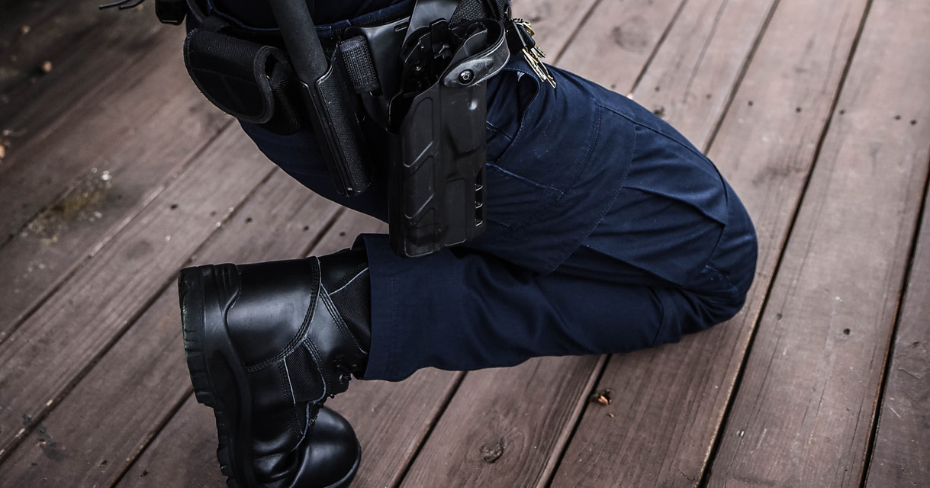
OWB (Outside the Waistband) Holsters
OWB holsters mount on the outside of your belt, positioning the firearm on the exterior of your pants. While they are the standard for open carry and law enforcement duty use, they can work for concealed carry with the right clothing.
Advantages:
- Most comfortable carry method for extended wear — no pressure against the body
- Fastest and most natural draw stroke
- Accommodates full-sized handguns easily
- Ideal for range use, outdoor activities, and home defense
- Easy to put on and take off
Disadvantages:
- Requires a cover garment (jacket, untucked shirt, or vest) to conceal
- More difficult to conceal in warm weather or with fitted clothing
- The firearm rides further from the body, increasing the chance of printing
Best for: Carriers in colder climates who regularly wear cover garments, range training, and those who prioritize comfort and draw speed over deep concealment.
Shoulder Holsters
Shoulder holsters suspend the firearm under the arm using a harness system that crosses both shoulders. The firearm sits horizontally or vertically (depending on the model) on the side opposite your dominant hand, with the draw performed across the body.
Advantages:
- Excellent for seated carry, especially in vehicles — far easier to access than a waistband holster when belted in
- Can accommodate larger, heavier firearms without waistband discomfort
- Distributes weight across the shoulders rather than the hips
- Most models include extra magazine pouches for a complete carry setup
- Works exceptionally well in colder climates where jackets and coats are standard
Disadvantages:
- Requires a jacket, blazer, or similar cover garment at all times — not practical with a t-shirt
- Cross-draw motion is slower than a strong-side draw and requires more training
- Many ranges and training facilities do not allow live-fire practice from this position
- Requires proper fitting and adjustment to prevent sagging and ensure comfort
Best for: Drivers, professionals who wear suits or jackets regularly, and carriers who need to distribute weight away from the waistband.
Ankle Holsters
Ankle holsters wrap around the lower leg, positioning a compact or subcompact firearm just above the ankle bone. This method is most commonly used for backup firearms rather than primary carry.
Advantages:
- Outstanding concealment — most people will never think to look at the ankle
- Comfortable for long periods once you adjust to the weight
- Ideal as a secondary or backup gun carry method
- Accessible from seated and ground positions
Disadvantages:
- Slowest draw time of any carry method — you must bend or drop to one knee to access
- Cannot be drawn while moving
- Limited to small, lightweight firearms
- Requires loose-fitting pants to avoid printing
- Difficult for anyone with knee or hip mobility issues
Best for: Backup firearm carry, plain-clothes law enforcement, and situations where waistband carry is impractical.
Holster Materials: Kydex vs. Leather vs. Hybrid
The material your holster is made from directly impacts comfort, retention, durability, and how well you can reholster safely. Here is a detailed comparison of the three primary holster materials.
Kydex Holsters
Kydex is a thermoplastic sheet material that has become the dominant choice in modern concealed carry holsters. It is heated and molded to the exact shape of a specific firearm, creating a precise, form-fitting shell.
Pros:
- Consistent retention: Kydex maintains its shape indefinitely and will not stretch, sag, or deform over time
- Moisture resistant: Impervious to sweat, rain, oils, and solvents — ideal for hot or humid climates
- Easy reholstering: The rigid shell keeps its mouth open, allowing safe one-handed reholstering with an audible click
- Zero break-in period: Ready to carry out of the box
- Easy to clean: Wipe down with a cloth or rinse with water
- Affordable: Quality Kydex holsters often cost less than comparable leather options
Cons:
- Harder material can be less comfortable against the skin, especially for extended carry
- Debris trapped inside the holster can scratch your firearm's finish
- Can produce more noise (clicking and scraping) during draw and reholster
Leather Holsters
Leather has been the traditional holster material for over a century. High-quality leather holsters are crafted from cowhide or horsehide and are molded to specific firearm models.
Pros:
- Superior comfort: Leather conforms to your body over time, creating a custom fit
- Quieter draw: Smoother, less audible draw and reholster
- Classic aesthetics: Many carriers prefer the look and feel of leather
- Gentle on firearm finish: Less likely to scratch or mar the gun's surface
Cons:
- Absorbs moisture from sweat and humidity, which can damage the firearm over time if not maintained
- Can lose its shape, especially with IWB carry where waistband pressure can close the holster mouth
- Requires a break-in period before reaching optimal comfort and retention
- Needs regular conditioning and maintenance to maintain integrity
- One-handed reholstering can be difficult or unsafe if the mouth has collapsed
Hybrid Holsters
Hybrid holsters combine a Kydex shell for retention with a leather, neoprene, or synthetic backer for comfort. This design attempts to deliver the best qualities of both materials.
Pros:
- Comfortable for all-day carry: The soft backer prevents the hard Kydex from pressing directly against your skin
- Positive retention: The Kydex shell maintains consistent, reliable retention
- Weight distribution: The wider backer spreads the weight of the firearm across a larger surface area
- Popular for IWB carry: The combination addresses the two biggest IWB complaints — discomfort and retention
Cons:
- Leather backers can degrade over time with moisture, heat, and repeated use
- Generally bulkier than all-Kydex holsters
- More expensive than basic Kydex options
- Reholstering can be slower if the backer interferes with a clean presentation to the holster mouth
Material Comparison at a Glance
- Best for hot climates and active lifestyles: Kydex
- Best for all-day comfort and traditional carry: Leather
- Best balance of comfort and function for IWB carry: Hybrid
- Best for safe, one-handed reholstering: Kydex or hybrid with rigid shell
Understanding Holster Retention Levels
Holster retention refers to how securely the holster holds your firearm in place and how much resistance or manipulation is required to draw. There are two fundamental types of retention: passive and active.
Passive retention relies on friction between the firearm and the holster material. The precise molding of a Kydex shell or the snug fit of a leather pocket holds the gun in place through physical contact alone. Many quality holsters include an adjustable retention screw that lets you dial in exactly how much friction you prefer.
Active retention adds one or more mechanical devices — such as a thumb break, trigger guard lock, rotating hood, or internal locking mechanism — that must be deliberately disengaged before the firearm can be drawn.
Retention Level Breakdown
Level I (Passive Retention Only): The holster relies solely on friction to hold the firearm in place. The draw requires no extra steps — simply grip and pull. This is the standard for the majority of concealed carry holsters. Level I provides the fastest draw time with the fewest steps, which is critical in a defensive situation.
Level II (Passive + One Active Mechanism): In addition to friction, these holsters include one active retention device such as a thumb break strap, rotating hood, or trigger guard lock. Drawing requires disengaging the mechanism first, then pulling the firearm. Level II holsters are common among off-duty law enforcement and open carriers who need additional security.
Level III (Passive + Two Active Mechanisms): These holsters incorporate two active retention devices on top of passive friction. They are designed for duty use and are built to resist weapon grabs during physical confrontations. Level III holsters are standard for uniformed law enforcement and military personnel.
Which level should you choose? For concealed carry, Level I is the recommended choice for most people. The firearm is already hidden from sight, reducing the risk of a grab attempt. Level I maximizes draw speed and minimizes the steps between recognizing a threat and presenting your firearm. If you open carry regularly or work in a role with physical confrontation risks, Level II or III may be appropriate.
Key Holster Features That Matter
Beyond type, material, and retention, several adjustable features can make or break your carry experience. Understanding these will help you fine-tune your setup for optimal comfort, concealment, and draw efficiency.
Cant Angle
Cant refers to the forward or rearward tilt of the holster, measured in degrees from vertical. It directly affects how naturally your hand meets the grip during a draw stroke.
- 0 degrees (neutral/no cant): The firearm sits perfectly vertical. This is the standard for appendix carry, where a straight draw stroke works best.
- 10-15 degrees (FBI cant): The grip tilts slightly rearward toward your back. This is the most popular cant for strong-side IWB carry at the 3-5 o'clock position. Research shows that most people's natural draw stroke creates approximately a 15-degree angle, making this the most ergonomic option for strong-side carry.
- 15-30 degrees (extreme forward cant): The grip tilts further back, improving concealment of the grip under clothing. Useful for small-of-back carry or for taller individuals, but can slow the draw.
Many quality holsters offer adjustable cant, typically in a range from 0 to 20 degrees. Experiment to find the angle that gives you the cleanest, most natural presentation to target.
Ride Height
Ride height determines how high or low the firearm sits relative to your belt line. This single adjustment affects concealment, draw speed, and comfort.
- High ride: The firearm sits well above the belt line, with much of the grip hidden below the clothing line. This provides superior concealment, especially under shorter shirts, but can slow initial grip acquisition.
- Mid ride: The grip sits roughly level with your belt. This is the ideal balance between concealment and speed for most carriers, allowing a full firing grip immediately upon contact.
- Low ride: The firearm drops below the belt line. This increases accessibility and speed but makes concealment more challenging, as more of the grip is exposed. This is more common for OWB range holsters and competition setups.
Sweat Guard
A sweat guard (also called a sweat shield) is an extension of the holster material that rises between the rear of the slide and your body. It serves two important purposes:
- Protects your firearm: Creates a barrier that prevents body sweat from reaching the slide, rear sights, and other metal components. Sweat is corrosive and can cause rust and pitting over time, especially on firearms without premium coatings.
- Increases comfort: Prevents the sharp edges of the slide, sights, and controls from digging into your skin during carry.
Sweat guards come in different heights. A full sweat guard covers the entire rear of the slide, while a partial guard covers only a portion. If you carry IWB in a warm climate, a sweat guard is a practical necessity. For OWB carry, it is generally unnecessary since the gun rides away from the body.
Holster Claw (Concealment Wing)
A holster claw or concealment wing is a small attachment that presses against the inside of your belt, leveraging the belt's tension to push the grip of the firearm inward against your body. This dramatically reduces printing — the visible outline of the firearm under clothing — particularly with appendix and strong-side IWB carry.
If concealment is a priority, a holster with a claw attachment or one that accepts aftermarket claws is worth the investment. Many modern IWB and AIWB holsters include one as standard.
Holster Wedge
A wedge is a foam or rubber pad attached to the body-side of the holster. It pushes the muzzle end of the holster away from your body, which in turn tucks the grip inward. Wedges are particularly useful for appendix carry, where even minor grip protrusion can create noticeable printing. They also add a layer of comfort between the holster and your body.
How to Choose a Holster Based on Body Type
Your body type plays a significant role in which holster style, carry position, and features will work best for you. There is no one-size-fits-all answer, but these guidelines will help you narrow down your options.
Slim or Athletic Build
Slim carriers have less natural body mass to mask a firearm, making grip printing the primary challenge. Compact and subcompact firearms are easier to conceal, and you should look for:
- AIWB or IWB holsters with a claw and wedge to pull the grip tight against the body
- High-ride settings to keep the grip below the shirt line
- Slim, all-Kydex designs that add minimal bulk
- Pocket holsters for very small firearms as an alternative carry method
Average Build
Average-build carriers have the most flexibility in holster and position choices. Nearly every carry method will work to some degree, so your choice comes down to personal preference, lifestyle, and wardrobe:
- IWB at the 3-4 o'clock position with 15-degree cant is the most versatile starting point
- AIWB works well with compact firearms
- Hybrid holsters offer excellent comfort for all-day IWB carry
- Experiment with ride height and cant to optimize your setup
Larger Build
Carriers with a larger frame can often conceal full-sized handguns without difficulty, but comfort and accessibility become the main concerns. Look for:
- IWB holsters with two-clip designs that distribute weight more evenly
- Hybrid holsters with wide leather or neoprene backers for comfort against a larger surface area
- Strong-side carry at 3-5 o'clock, which is typically more comfortable than appendix for larger midsections
- OWB holsters under a cover garment when wardrobe allows
- Firmer wedges to push the grip inward and maintain concealment
Women's Concealed Carry Considerations
Women face unique holster selection challenges due to differences in body shape, clothing styles, and belt options. According to CPRC data, women are the fastest-growing demographic in concealed carry, with female permit holders growing more than twice as fast as male permit holders between 2012 and 2025.
- AIWB and IWB holsters designed specifically for women's hip-to-waist ratios
- Dedicated women's gun belts that work with a wider range of clothing
- Belly band holsters for athleisure and clothing without belt loops
- Thigh holsters for dress carry
For a deeper look at women's concealed carry, read our full guide: Women Concealed Carriers.
Top Holster Recommendations by Category for 2026
Based on extensive hands-on testing and industry reviews, these are the top concealed carry holsters by category heading into 2026.
Best Overall IWB Holster: Vedder LightTuck
The Vedder LightTuck is one of the most consistently recommended IWB holsters on the market. It is a full Kydex design with adjustable retention, adjustable cant (up to 30 degrees), and adjustable ride height. It accommodates over 450 firearm models and includes a built-in claw for enhanced concealment. At approximately $70, it represents excellent value for a holster that performs well above its price point.
Best Appendix Carry Holster: Tier 1 Concealed Axis Elite
The Axis Elite is a sidecar-style AIWB holster that integrates the firearm holster and magazine carrier into a single, flexible unit. The flexible spine between the two components allows the holster to conform to your body's natural contours. It features adjustable retention, a built-in concealment claw, and is available for a wide range of firearms. At approximately $140, it is a premium option favored by serious appendix carriers.
Best Value IWB Holster: Bravo Concealment Torsion
The Bravo Concealment Torsion is an all-Kydex IWB holster with a built-in curve that naturally tucks the grip into your body without an external claw. It ships with adjustable retention and a 10-degree forward cant. At under $50, it is an outstanding option for budget-conscious carriers who do not want to sacrifice quality.
Best Hybrid Holster: Hidden Hybrid Holsters
Hidden Hybrid Holsters are handcrafted in Ohio with Amish-made leather backers and precision-molded Kydex shells. The thick, flat leather backing provides exceptional comfort for all-day IWB carry, while the Kydex shell maintains reliable retention. The quality of the leather sets this brand apart from mass-produced alternatives.
Best for Deep Concealment: Tenicor Velo 4
The Tenicor Velo 4 is a minimalist AIWB holster designed for deep concealment without bolt-on accessories. It features integrated concealment geometry built directly into the holster body, eliminating the need for separate claws or wings. At approximately $95, it is a clean, purpose-built solution for carriers who want maximum concealment with minimal bulk.
Best OWB Concealment Holster: Safariland 578 GLS Pro-Fit
The Safariland 578 GLS Pro-Fit uses the proprietary Grip Lock System (GLS), which automatically locks the firearm in place when holstered and releases with natural trigger-finger pressure during the draw. It fits a wide range of firearms, offers Level II retention, and works well under a jacket or cover garment.
Best Shoulder Holster: Galco Miami Classic II
The Galco Miami Classic II is the benchmark for shoulder holster systems. It features a premium leather harness with a spider pivot for natural movement, a horizontal carry orientation for rapid access, and a double magazine carrier on the opposite side for balance. It requires a jacket or blazer to conceal but excels for drivers, executives, and professionals who wear a cover garment daily.
Best Ankle Holster: Galco Ankle Glove
The Galco Ankle Glove wraps the lower leg in a wide neoprene band with a sheepskin-lined leather holster pocket. It is designed for small-frame revolvers and subcompact semi-automatics, providing secure retention without the bulk of a rigid shell. It remains the industry standard for backup gun ankle carry.
Completing Your Concealed Carry Setup
A holster is one piece of a complete carry system. To carry safely and effectively, consider these additional essentials:
- Quality gun belt: A dedicated gun belt provides the rigid foundation your holster needs. Standard dress belts will sag and shift under the weight of a firearm. Look for belts with internal stiffeners made from steel, polymer, or reinforced nylon.
- Proper training: Carrying a concealed firearm is a serious responsibility. If you are new to concealed carry, begin with a concealed carry permit course and commit to regular practice drawing from your chosen holster.
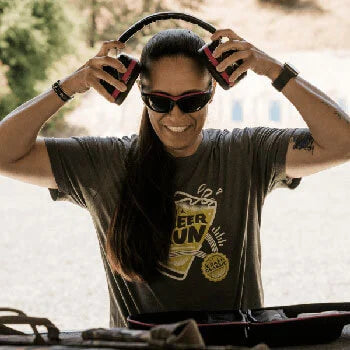
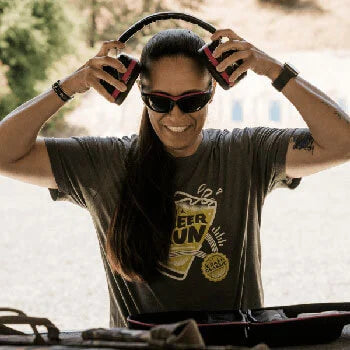
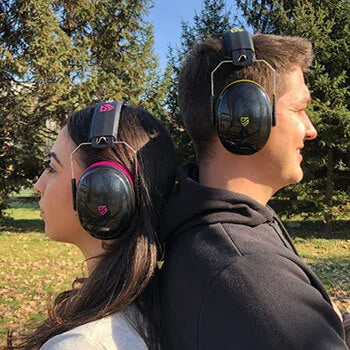
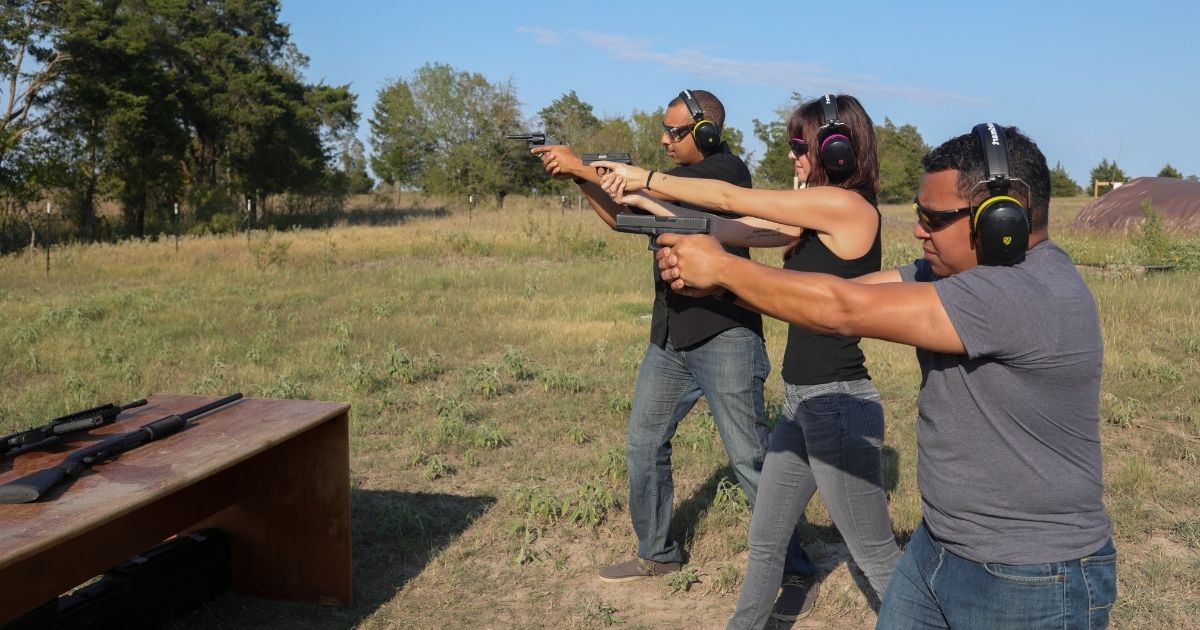
- Hearing and eye protection for range time: Consistent training is critical for concealed carriers, and that means regular time at the range. Gunshots produce 140 to 175 dB depending on caliber, and according to NIOSH, a single gunshot above 140 dB can cause immediate, permanent hearing damage. Invest in quality shooting ear and eye protection every time you train.
- Range gear: Beyond hearing and eye protection, a tactical range backpack keeps your holster, ammunition, cleaning kit, and safety gear organized for efficient practice sessions. For a full breakdown of what to bring, see our range bag essentials guide.
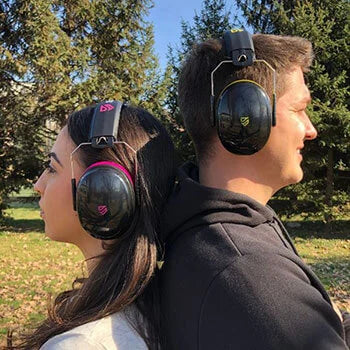
TradeSmart Safety shooting kits include NRR 28 earmuffs, ANSI Z87.1+ certified safety glasses, NRR 33 foam earplugs, and a hard-shell carrying case — everything you need for safe range practice. Every kit also includes a free Range Confidence Course to help you build fundamentals and confidence. All backed by a 10-year warranty with free shipping.
Concealed Carry Holster FAQ
What is the most comfortable concealed carry holster type?
For most people, a hybrid IWB holster offers the best all-day comfort. The leather or neoprene backer creates a cushion between the Kydex shell and your skin, distributing weight across a wider area. For those who find waistband carry uncomfortable regardless of material, OWB holsters under a cover garment provide the most comfort overall since the firearm rides entirely outside the pants. The most comfortable option for your body will depend on your build, carry position, and the firearm you are carrying.
Is appendix carry safe?
Appendix carry is safe when practiced with proper equipment and discipline. The key safety requirements are: a quality holster that fully covers the trigger guard, a firearm with no modifications to the trigger pull weight, strict adherence to keeping your finger off the trigger during draw and reholster, and deliberate reholstering — always look the gun into the holster and never rush. Many firearms instructors and law enforcement professionals carry appendix daily. The position itself is not inherently more dangerous than others; the risk lies in complacency and poor technique.
How do I stop my concealed carry holster from printing?
Printing occurs when the outline of your firearm is visible through clothing. To minimize it, use a holster with a claw or concealment wing to tuck the grip against your body, add a wedge to angle the muzzle outward and the grip inward, wear shirts made from thicker or patterned fabrics that break up outlines, choose a higher ride height to keep the grip below the shirt line, and ensure your gun belt is stiff enough to hold the holster firmly in place. Patterned shirts and darker colors also help mask minor printing.
Should I choose Kydex or leather for my first concealed carry holster?
For a first holster, Kydex is the better choice for most people. It requires no break-in period, maintains consistent retention, resists moisture, and allows safe one-handed reholstering out of the box. Leather holsters are excellent once you have more experience and know exactly what you want from a holster, but the maintenance requirements and potential for the mouth to collapse make them less forgiving for beginners. A hybrid holster is a strong middle-ground option if comfort is your primary concern.
How often should I replace my concealed carry holster?
Inspect your holster regularly for signs of wear. Kydex holsters should be replaced if the material is cracked, the retention screw holes are stripped, or the clips are loose or broken. Leather holsters need replacement when the leather becomes too soft to maintain shape, the stitching is coming apart, or the mouth no longer stays open for safe reholstering. Hybrid holsters may need replacement sooner than all-Kydex models if the leather backer degrades. As a general rule, a quality holster should last 3 to 5 years or more with proper care, but if you carry daily, inspect it every few months.
Can I use the same holster for range practice and concealed carry?
Yes, and you should. Training with the same holster you carry daily builds the muscle memory needed for a reliable draw under stress. If you use a different holster at the range, you are training a different draw stroke than the one you would need in a real defensive situation. The only exception is if your range prohibits your carry holster type — some indoor ranges have restrictions on appendix or shoulder holster draws for safety reasons. If you need guidance on what to wear to the gun range, we have a full guide covering clothing, gear, and etiquette.
Carry With Confidence
The best concealed carry holster is the one that fits your firearm precisely, matches your body type, supports your carry position, and is comfortable enough that you actually wear it every day. A holster sitting in a drawer does not protect you.
Start with an IWB Kydex or hybrid holster if you are new to concealed carry. Choose a carry position that works with your body and lifestyle. Invest in a quality gun belt. Then commit to regular training at the range with the same setup you carry — there is no substitute for practice.
When you hit the range, make sure you are protecting your hearing and vision. TradeSmart Safety shooting range kits give you NRR 28 earmuffs, ANSI Z87.1+ safety glasses, NRR 33 earplugs, and a protective carrying case in one package. Every kit includes a free Range Confidence Course to sharpen your fundamentals. Backed by a 10-year warranty and free shipping on every order.
Shop TradeSmart Safety shooting kits here and train with the confidence that your hearing and vision are protected.



Leave a comment (all fields required)